bioblitz (n)
An event that focuses on finding and identifying as many species as possible in a specific area over a short period of time, usually 24 hours.
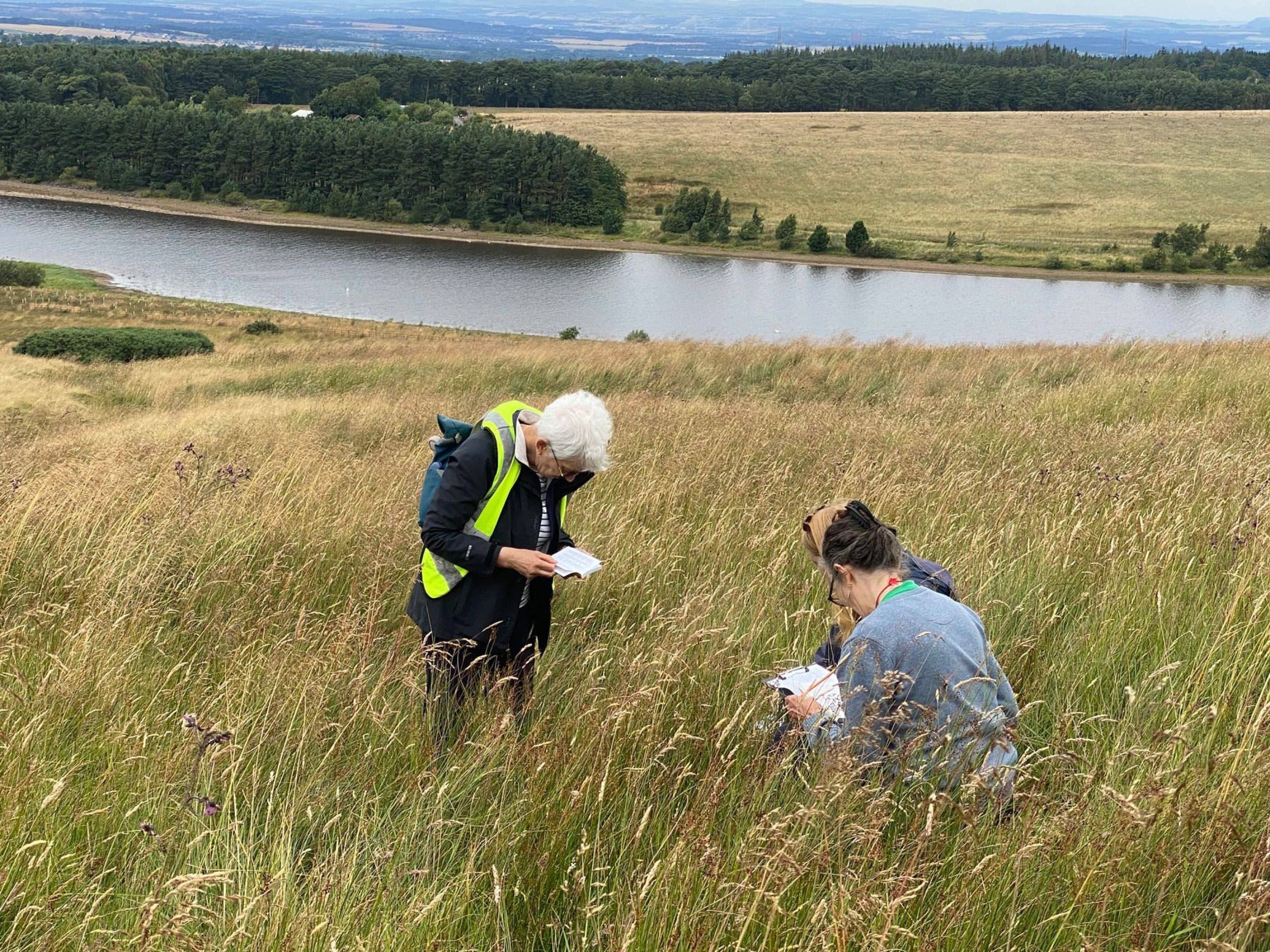
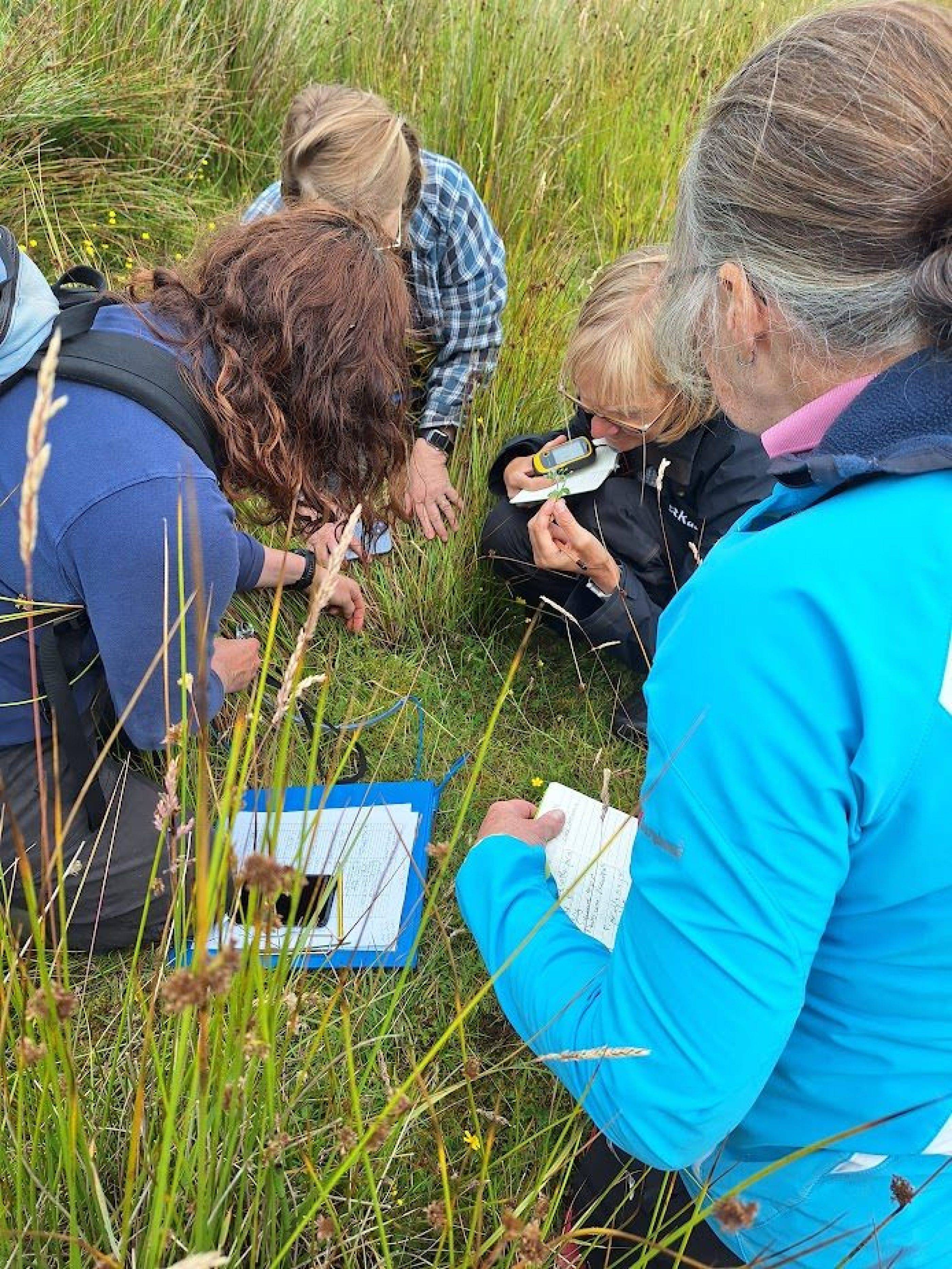
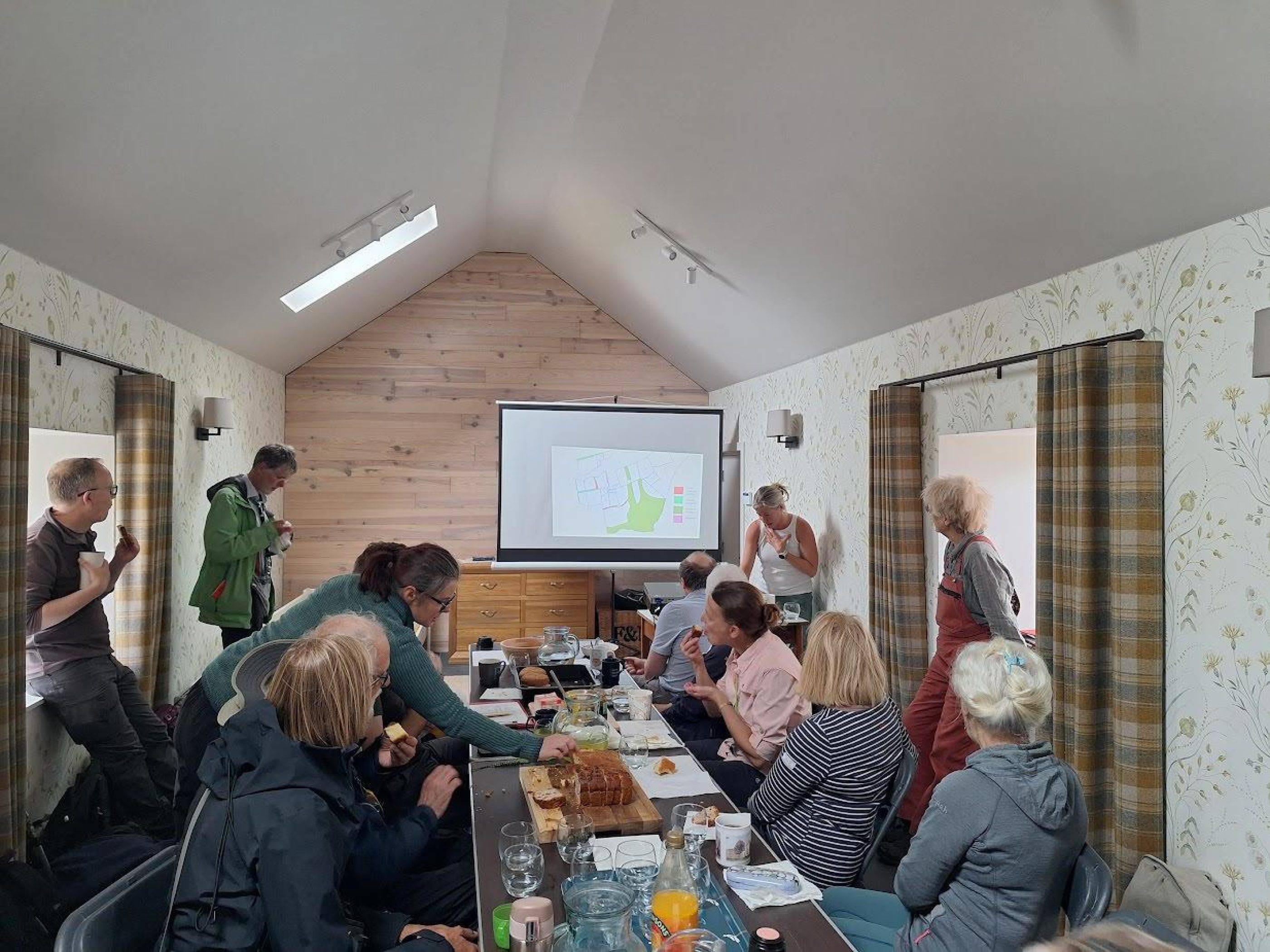
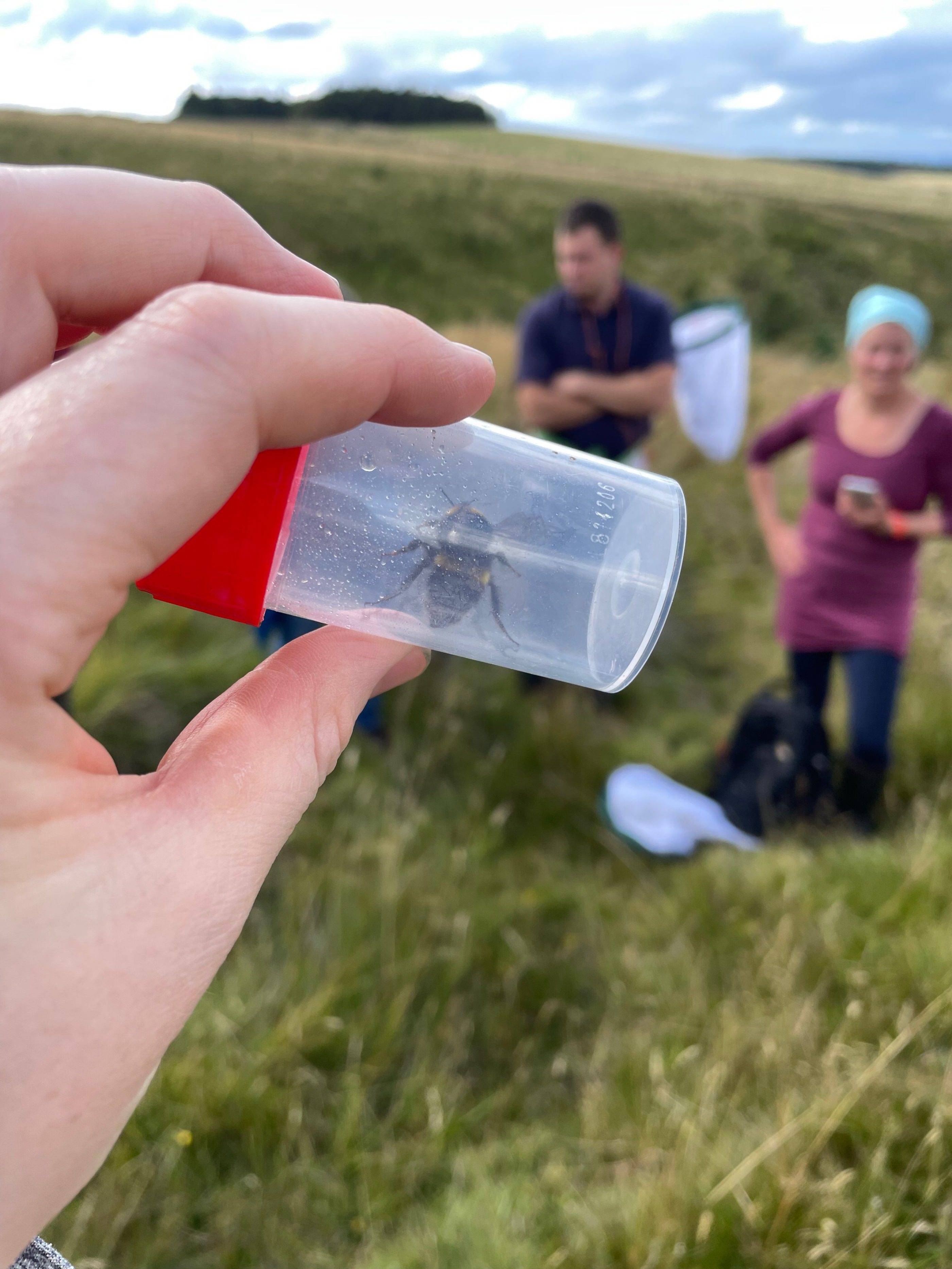
Back in August 2024, Easter Bavelaw and Cairns, two of the farms in the FIRNS cluster, hosted bioblitz days in partnership with the Water of Leith Conservation Trust (WLCT), Forth Rivers Trust, BRISC, and Edinburgh Natural History Society.
The idea stemmed from discussions with the Water of Leith Conservation Trust at one of the FIRNS focus groups with conservation societies. The farms within the FIRNS cluster are always keen to find ways to involve their local communities, so were intrigued when Helen Brown from WLCT proposed the idea of some ‘citizen science’. Luckily for the FIRNs group, Helen was well-equipped with a large group of botanically-minded volunteers, and the necessary experience in all the relevant risk assessments. She also gave some sound advice on the necessity of providing volunteers with an excellent lunch!
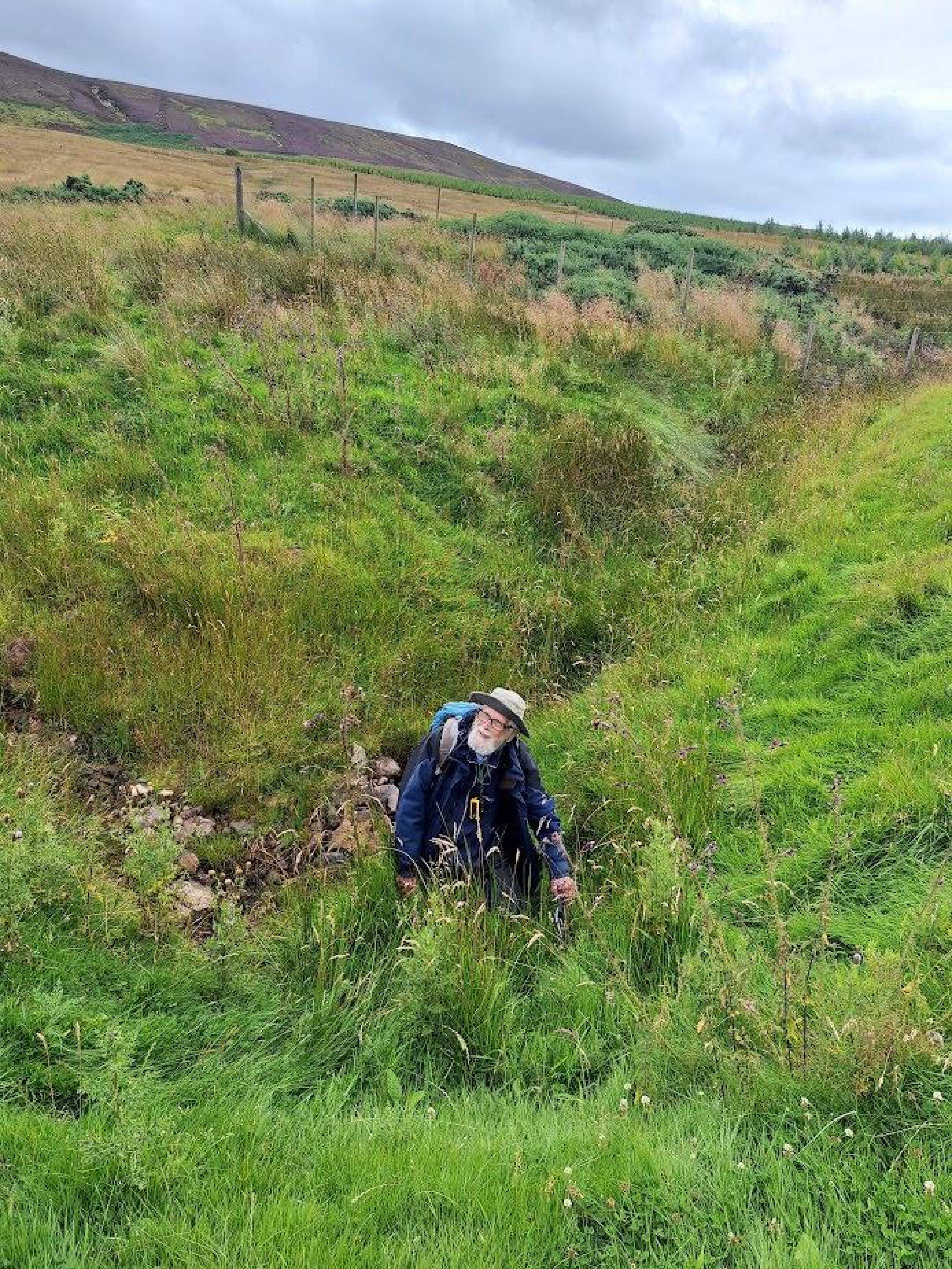
The plan came to fruition and groups of enthusiastic botanists, biologists and experts in various fields including fungi and bryophytes gathered at Easter Bavelaw and Cairns farms on two separate days in August. At Easter Bavelaw the group started by exploring the habitat mosaic at the Far Hill, an area which has maintained a low stocking density in order to encourage biodiversity. In the afternoon they travelled out to Green Cleugh which has been livestock free for five years. This is classed as a wetland area and marks the start of the Easter Burn, an area of remarkable biodiversity.
The WLCT described it as “an extraordinary day of recording”, with the plethora of experts revealing many rare and interesting flora and fauna. In total the team blitzed five locations and recorded a staggering 352 species of wildflower, grasses, sedges, bryophytes, lichens, fungi, ferns, birds, amphibians, mammals and invertebrates. Of particular interest were the finding of some fungus infected zombie flies (the flies eat the Entomophthora muscae fungus, turn into zombies, crawl to the top of the plant, die, then release more fungal spores to entice more flies) and some Ercot fungus which contains LSD.
Other findings included:
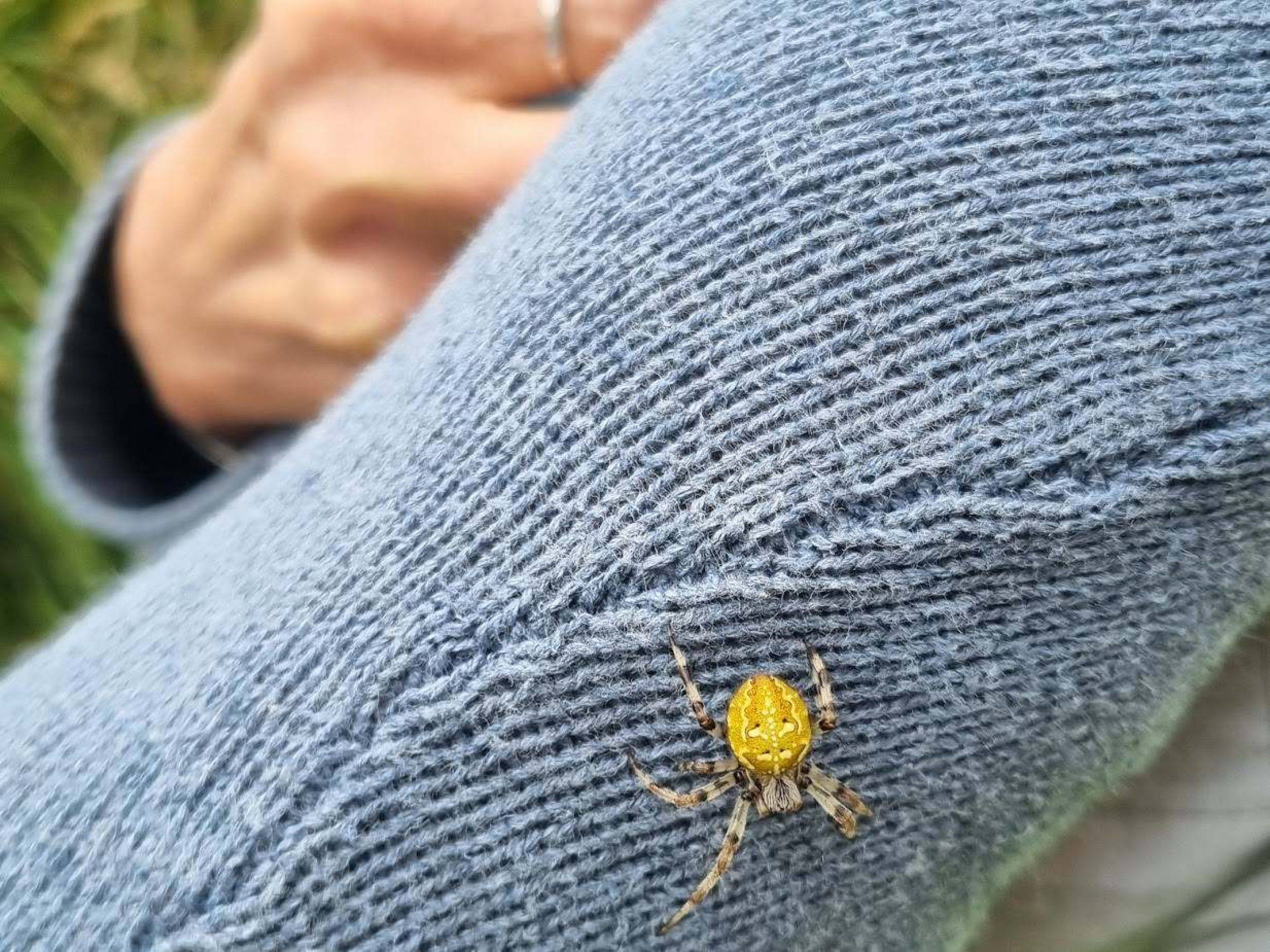
- Four-spotted orb weaver
- Common spotted Orchids
- Grass hopper
- Lemon scented fern
- Sweet vernal grass
- European Nursery Web Spider
- Bristle club rush (Isoleptis setacea, nationally rare species)
- Creeping forget-me-knot (Myosotis secunda)
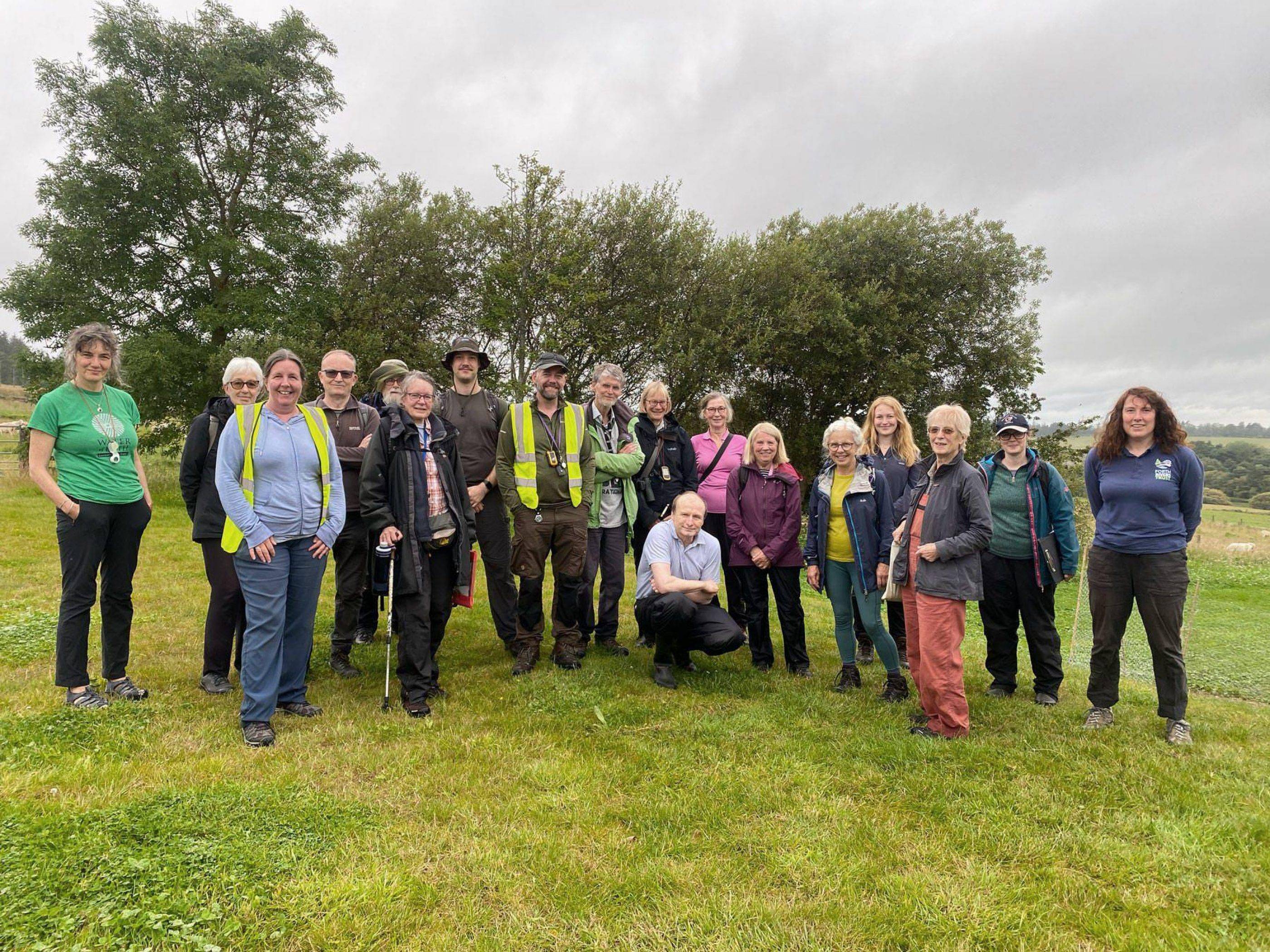
The second bioblitz day at Cairns farm was hampered by truly awful weather conditions. Undaunted, the team strapped on their positive attitudes and embarked on their mission, but the weather was so bad that they had to concede defeat after 3 hours. However, in that time they managed to identify no less than 184 species, more than a species per minute! The WLCT said that they were “astonished by the diversity”.
The team catalogued a vast array of specimens, from a hovering osprey to Insectivorous Sundew moss. One of the highlights was identifying twenty species of fungi on a single grassy knoll.
A bioblitz cannot ever be sufficiently wide-ranging to provide a comprehensive survey of an area’s biodiversity, but it does create a snapshot of the resident species. While they can help to map some of the wildlife, they also help to nurture networks of likeminded experts (landowners and scientists alike). Bringing these people together, pooling their knowledge, and sharing their findings is an enormously positive step on the journey towards nature regeneration and it can lead to so many greater possibilities. You never know what might come of the experience. The FIRNs cluster hope to plan more bioblitzes, at varying times of year across all the participating farms.