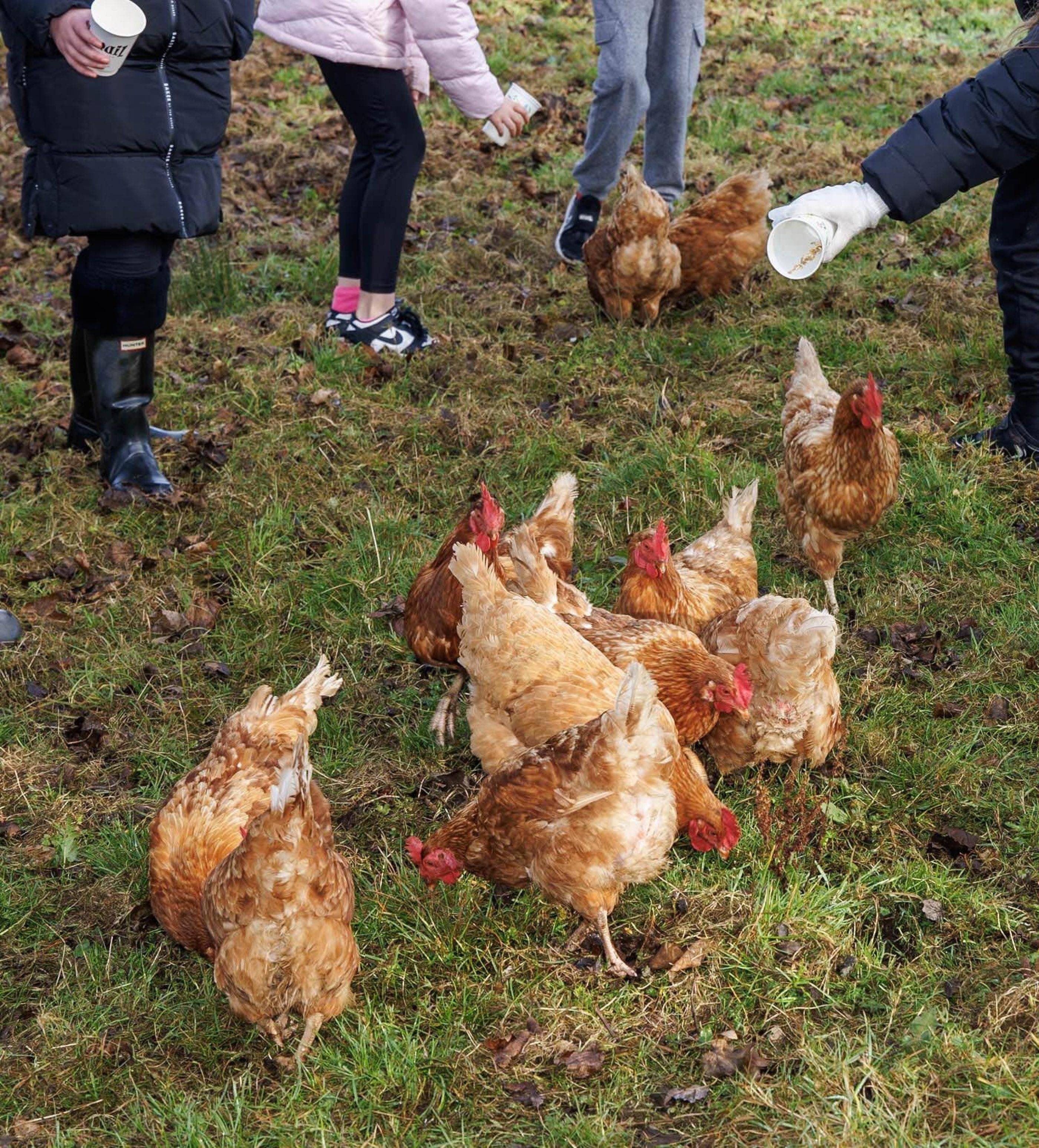
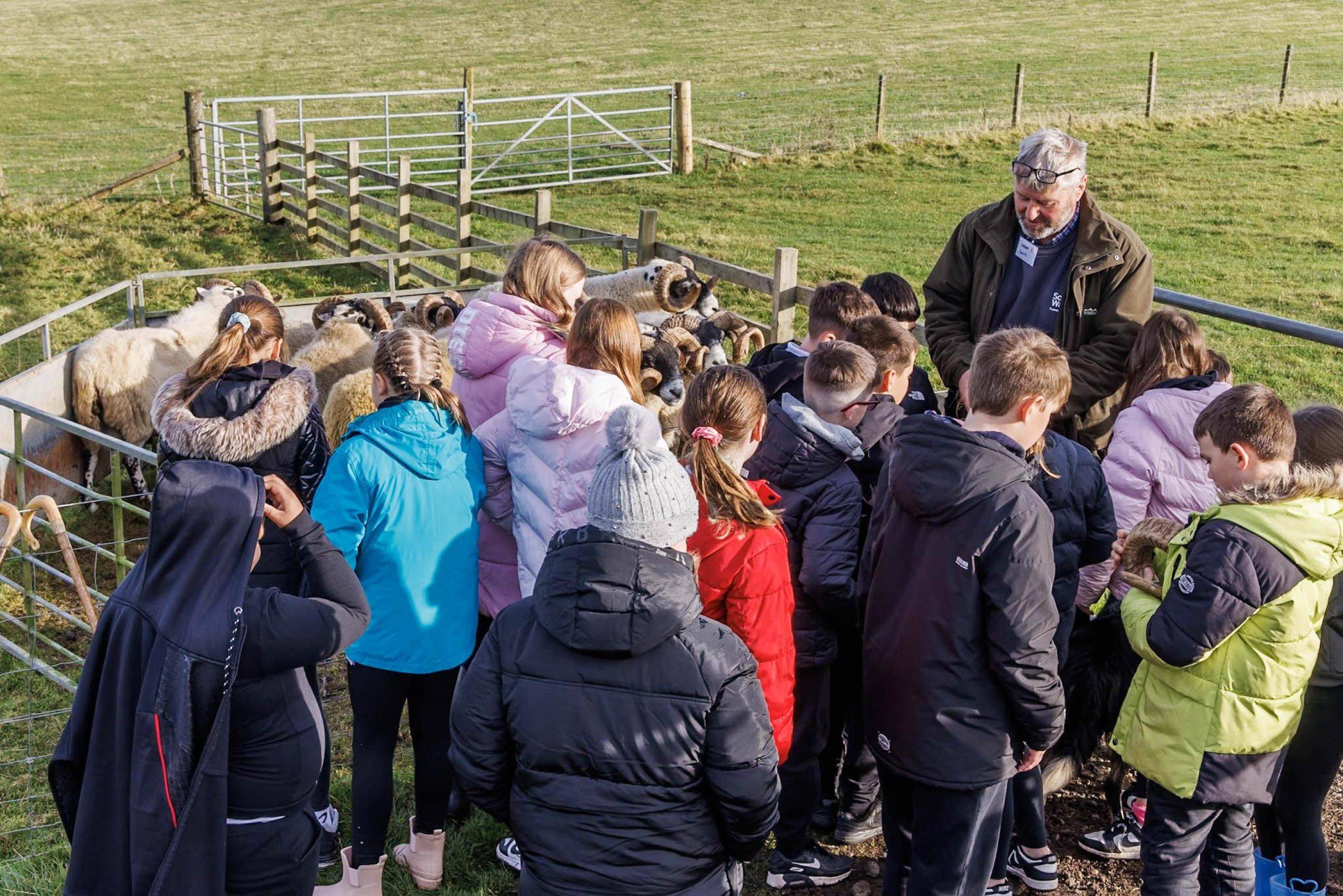
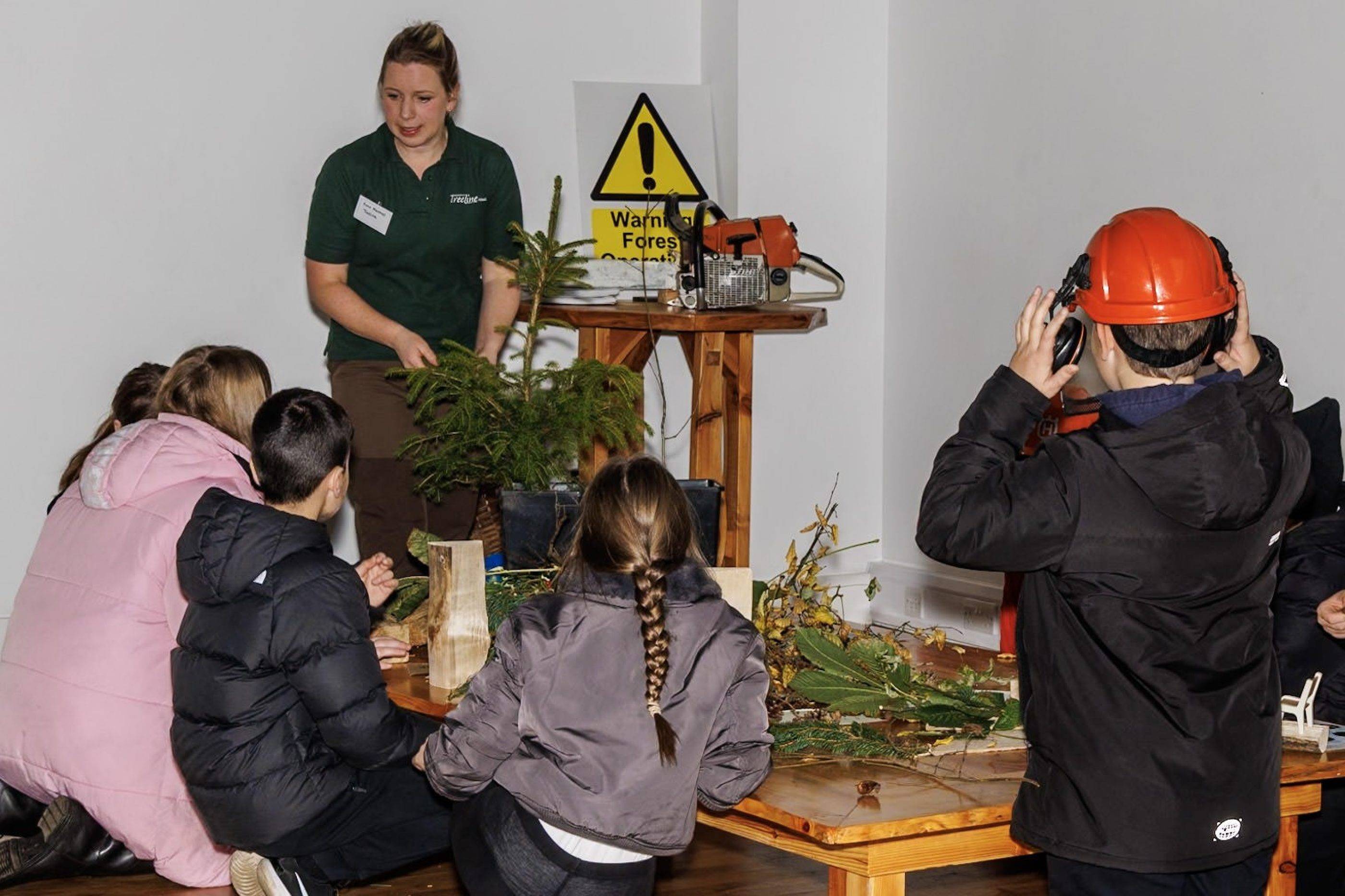
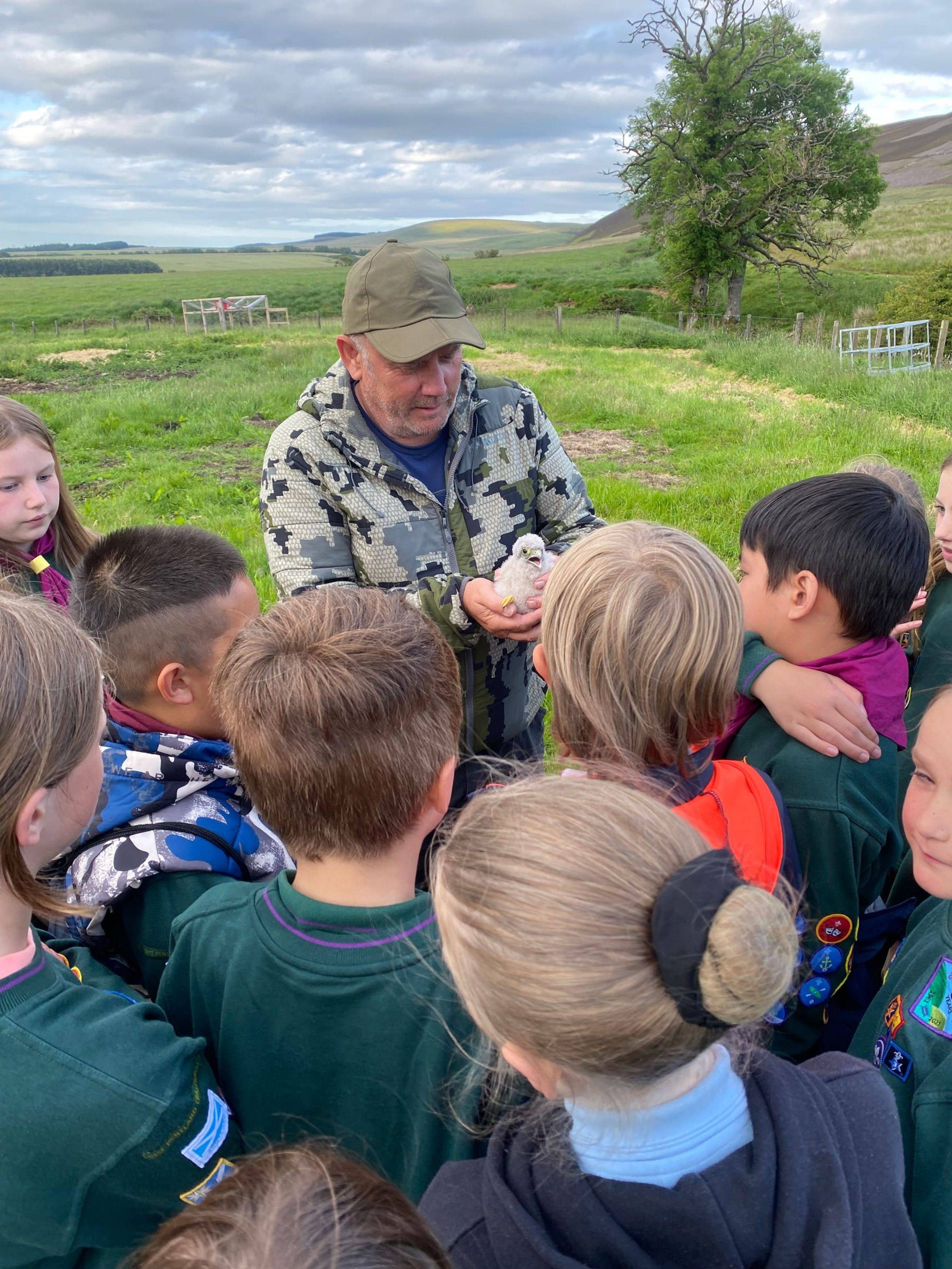
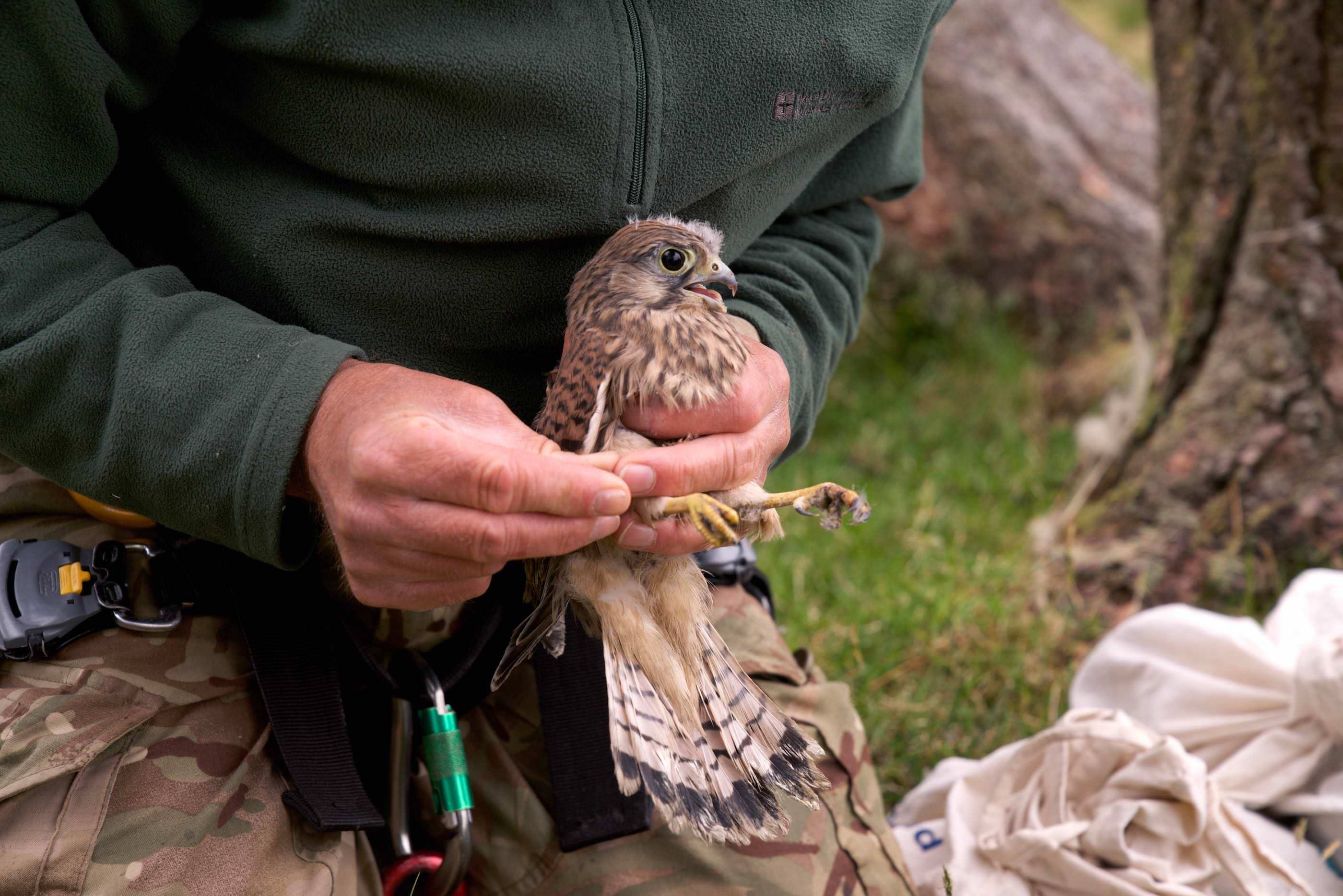
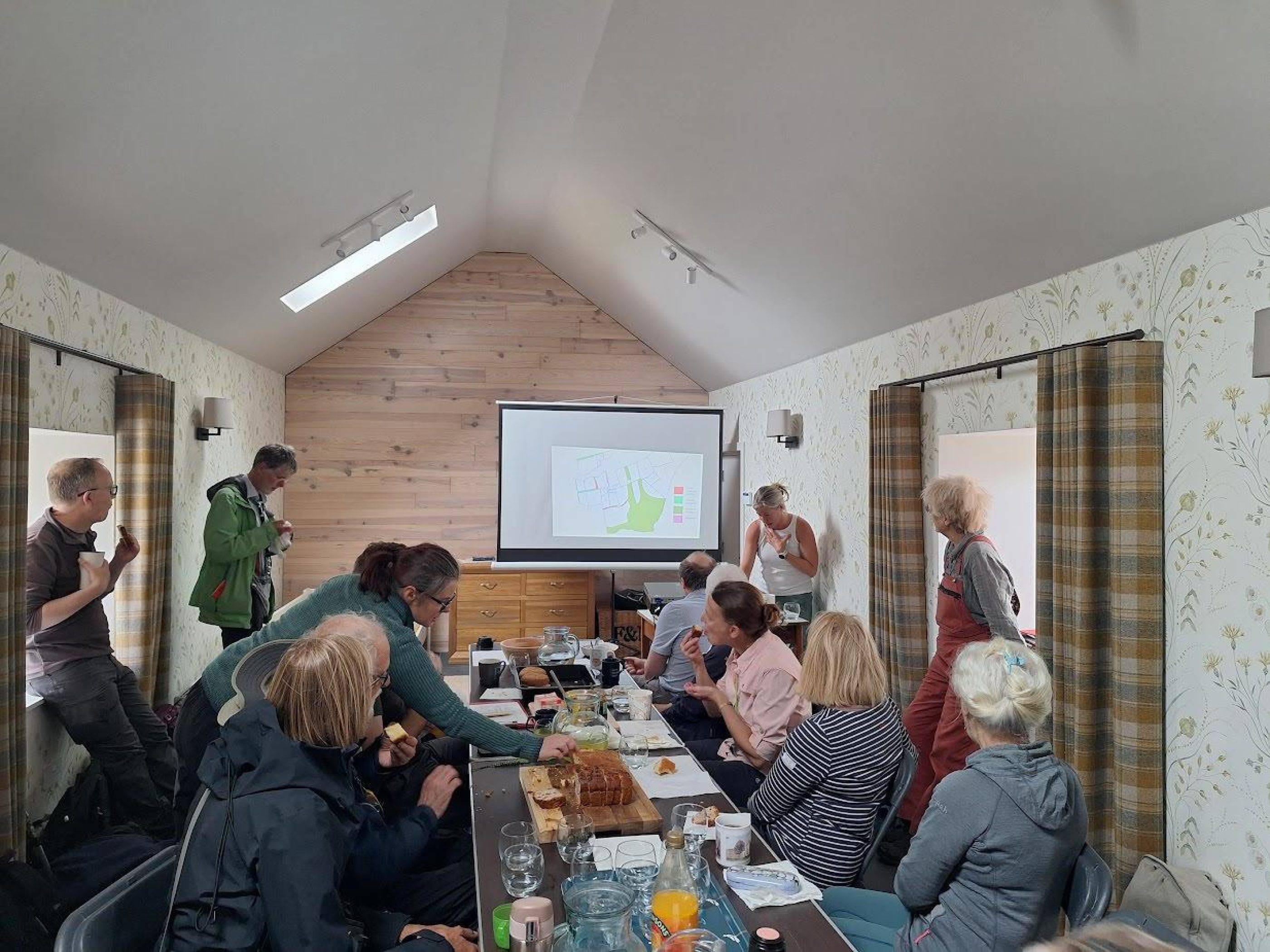
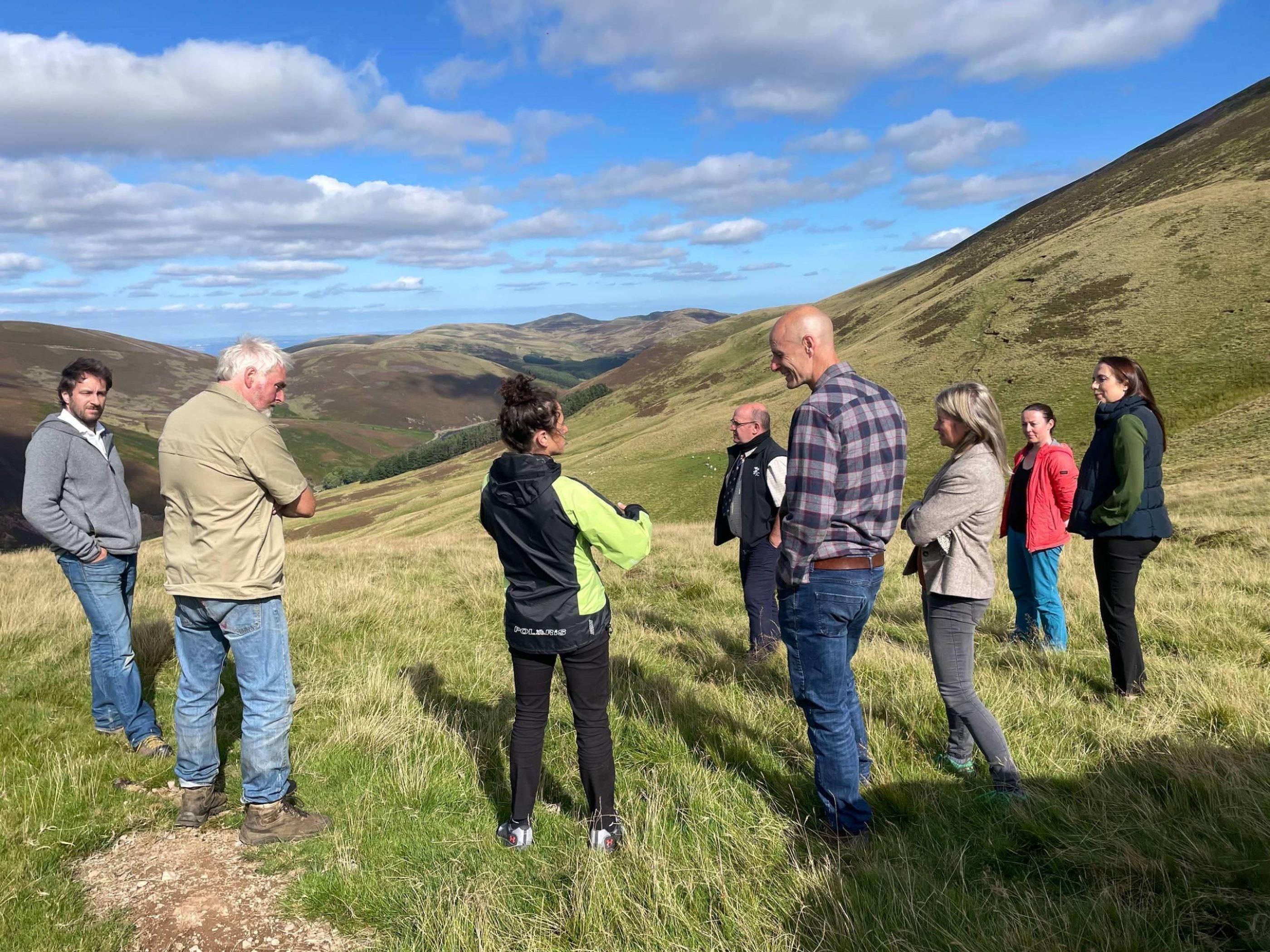
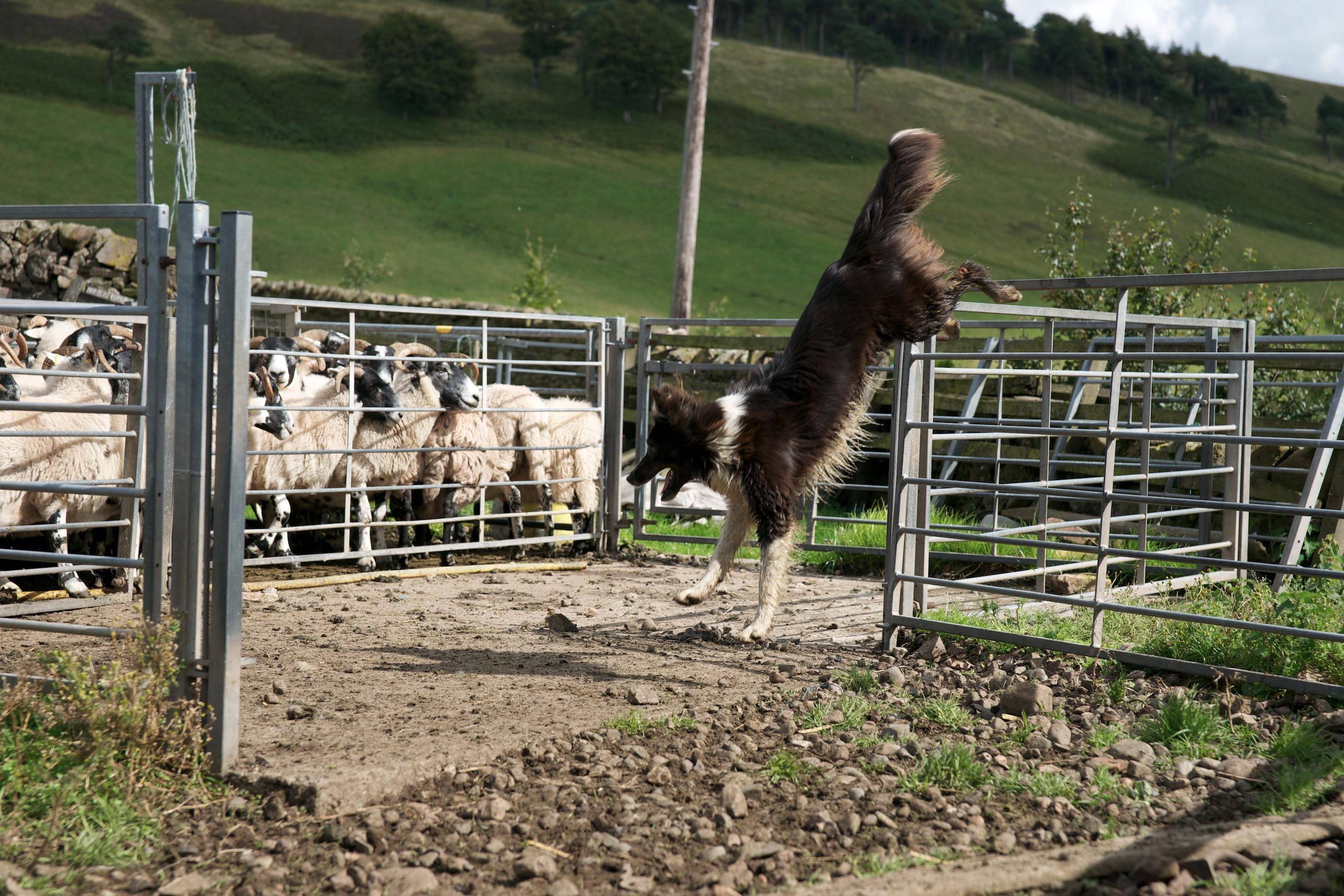
Hosted at Cairns Farm wedding venue, this large indoor space on a working, nature-friendly farm, provides young learners in Edinburgh City, Midlothian and West Lothian the perfect opportunity to visit the working countryside and meet the with people who work there to create a wider understanding of the environmental, economic and social realities of rural Scotland.
Community benefit
Nature restoration projects help connect local people with their natural surroundings, offering chances for hands-on learning and community well-being.
Connecting local communities to nature is at the heart of Project L-and.
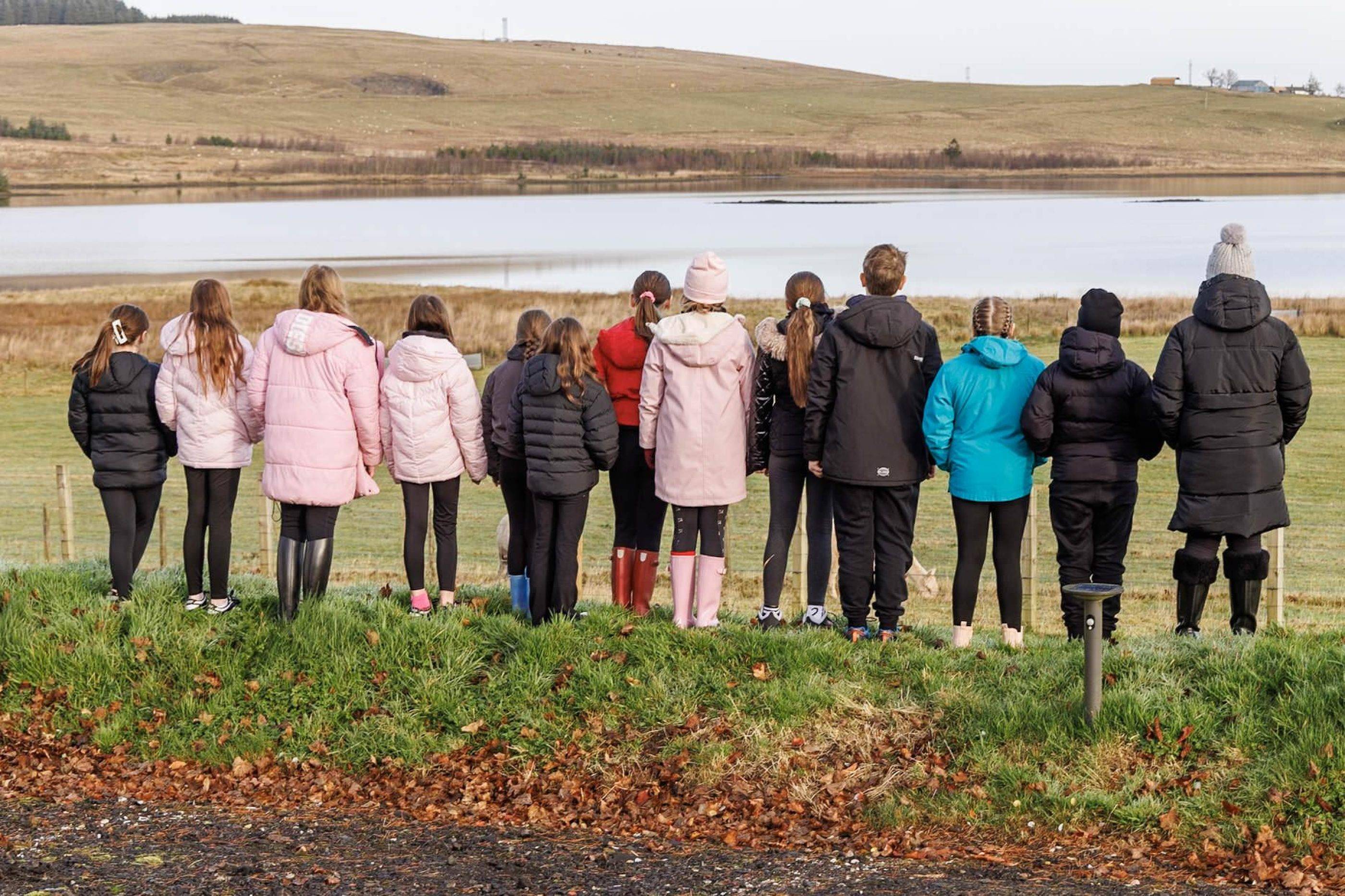
Life and L-and Education Days for Schools
Project L-and has partnered with The Royal Highland Education Trust (RHET) to provide children in neighbouring schools hands-on learning experiences about food sovereignty, wildlife and biodiversity enhancement, the water cycle, and climate change.


Learning for sustainability
This aligns with the Scottish Governments “Learning for sustainability action plan” which promotes outdoor learning, environmental action community involvement and sustainable decision-making across the curriculum.
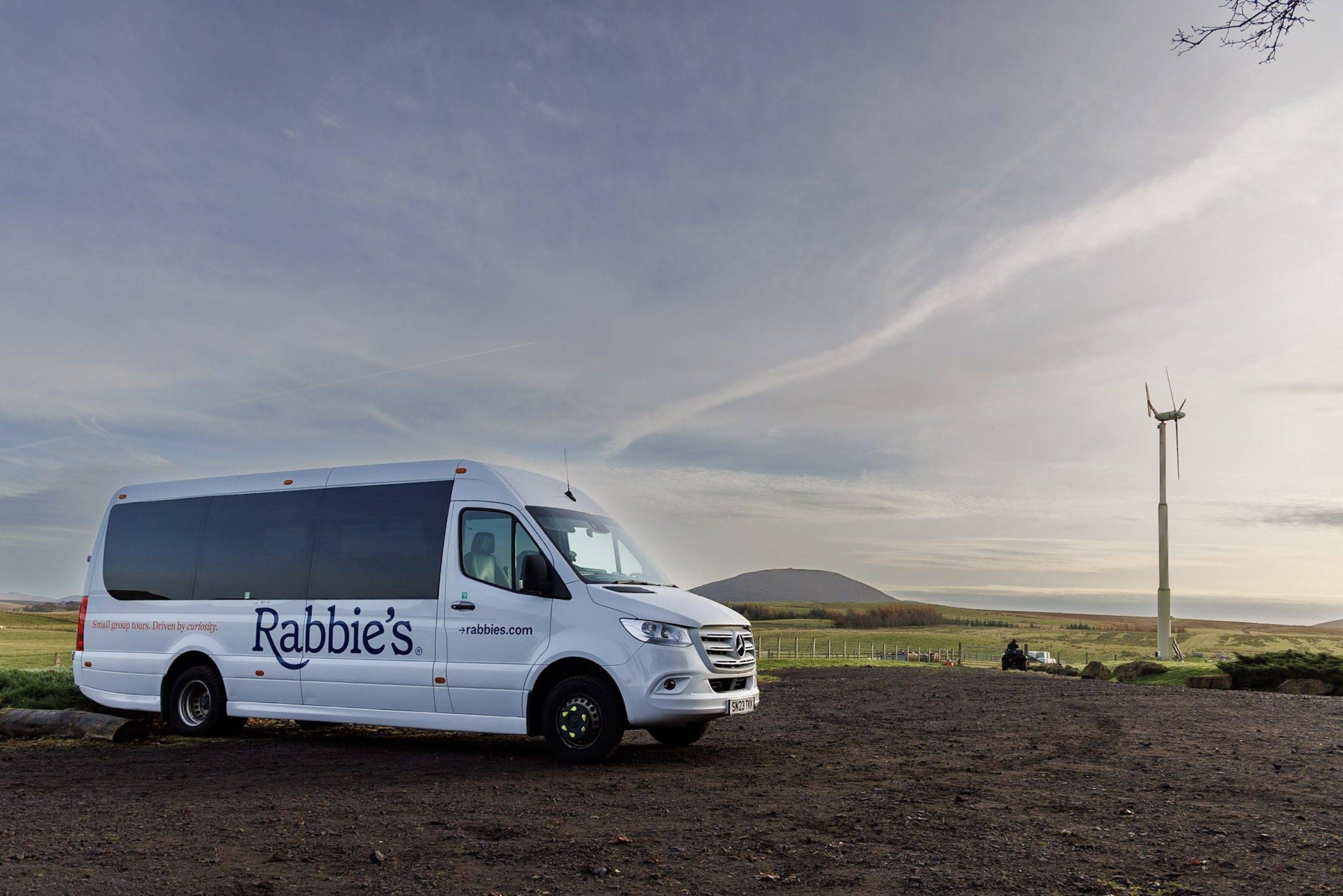
Funding transport is essential for this work. We’re very grateful for support from Rabbies Tours who helped us pilot the programme in November.
Organise a visit for your school
If you’re interested in organising a visit for your school or can offer financial support to expand this work, please contact us.
Join a Bioblitz
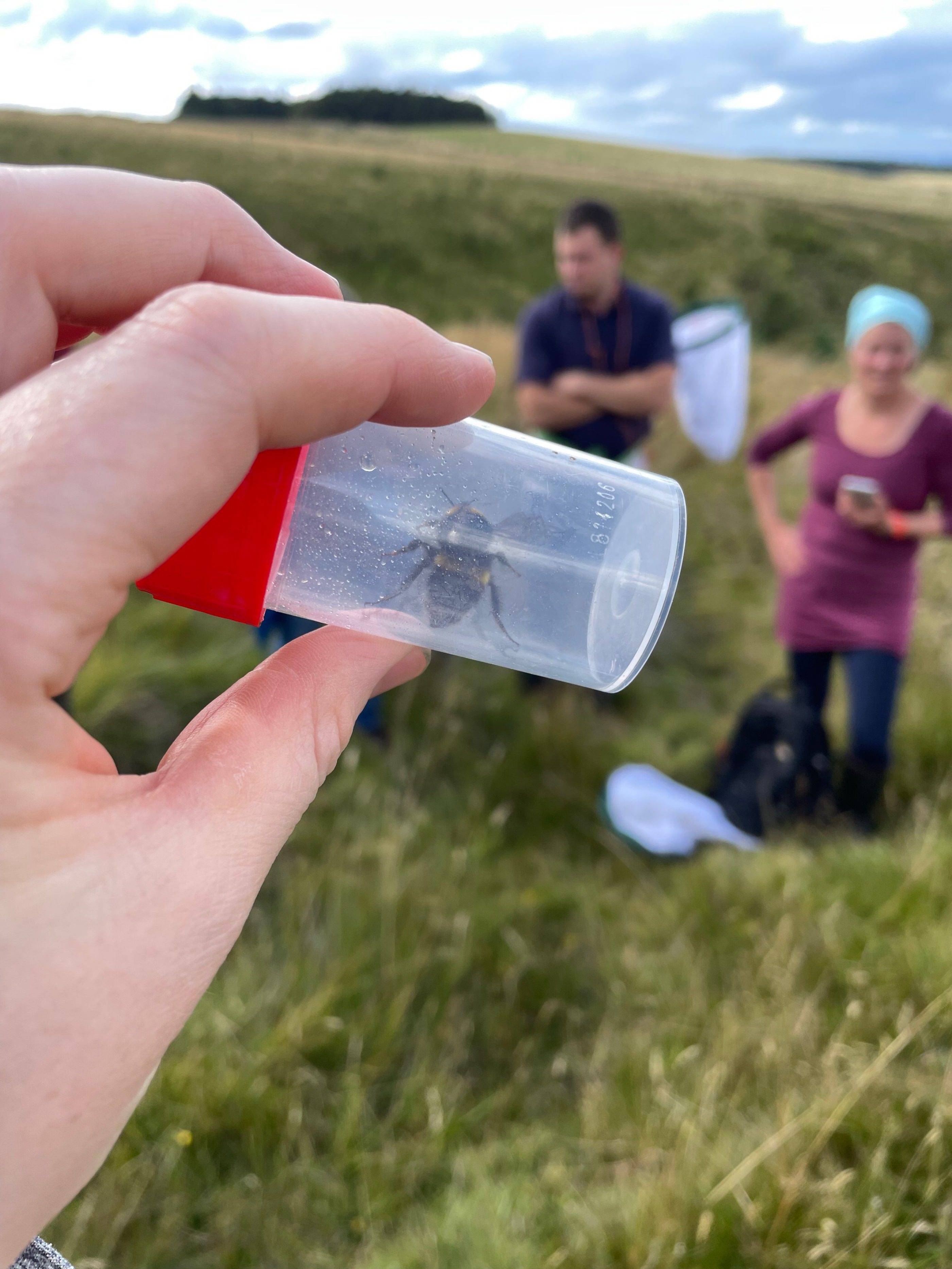
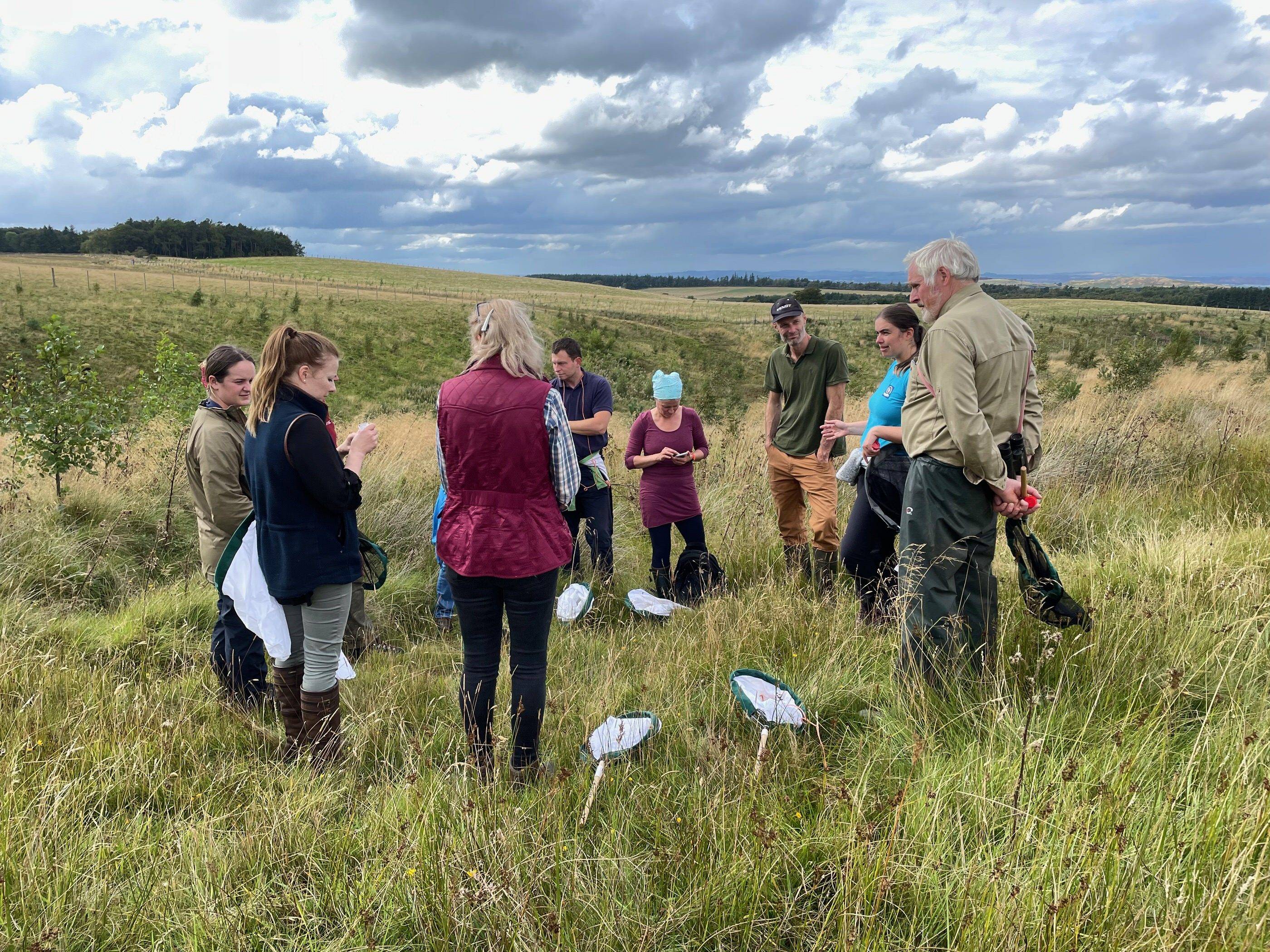
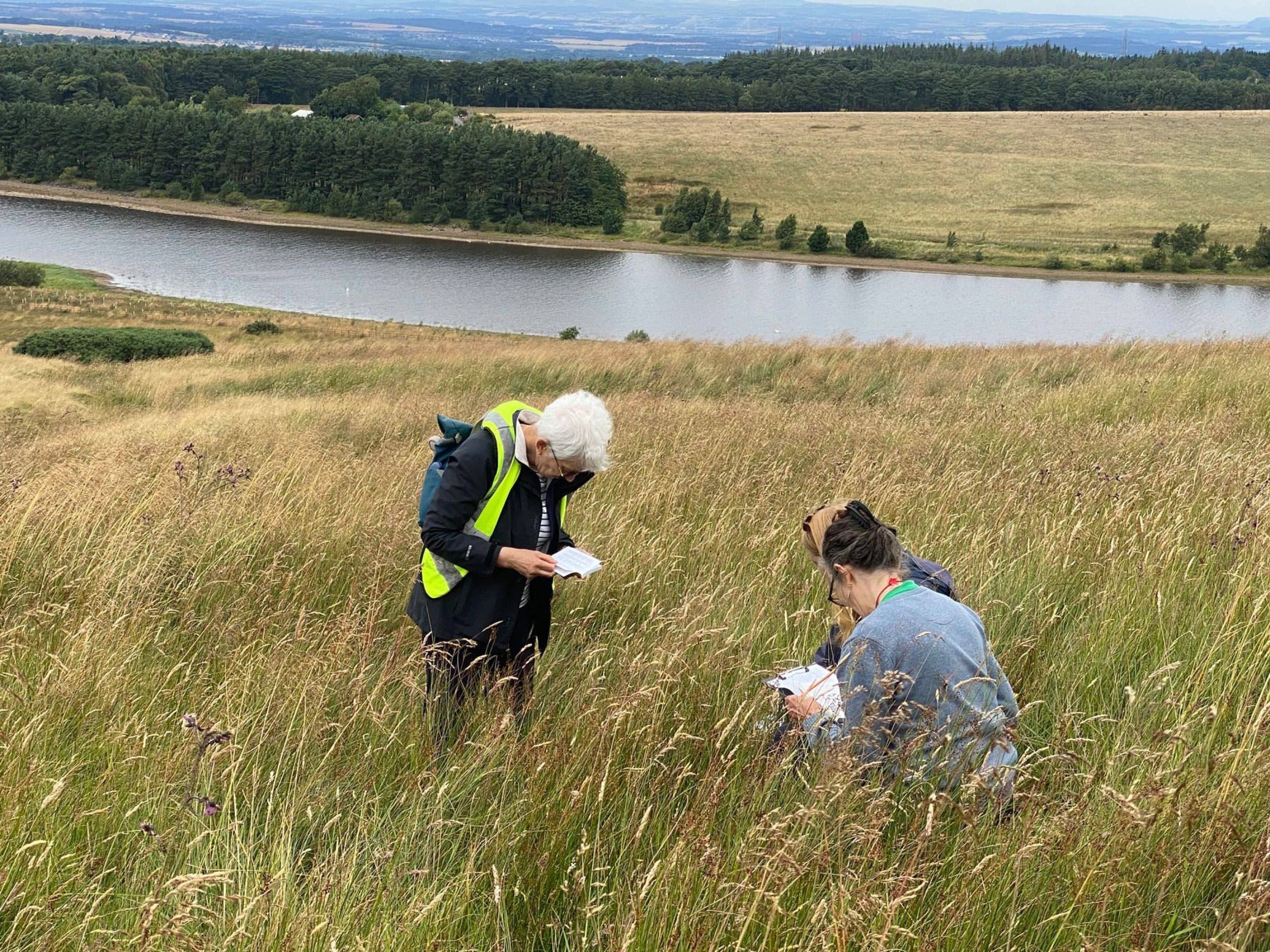
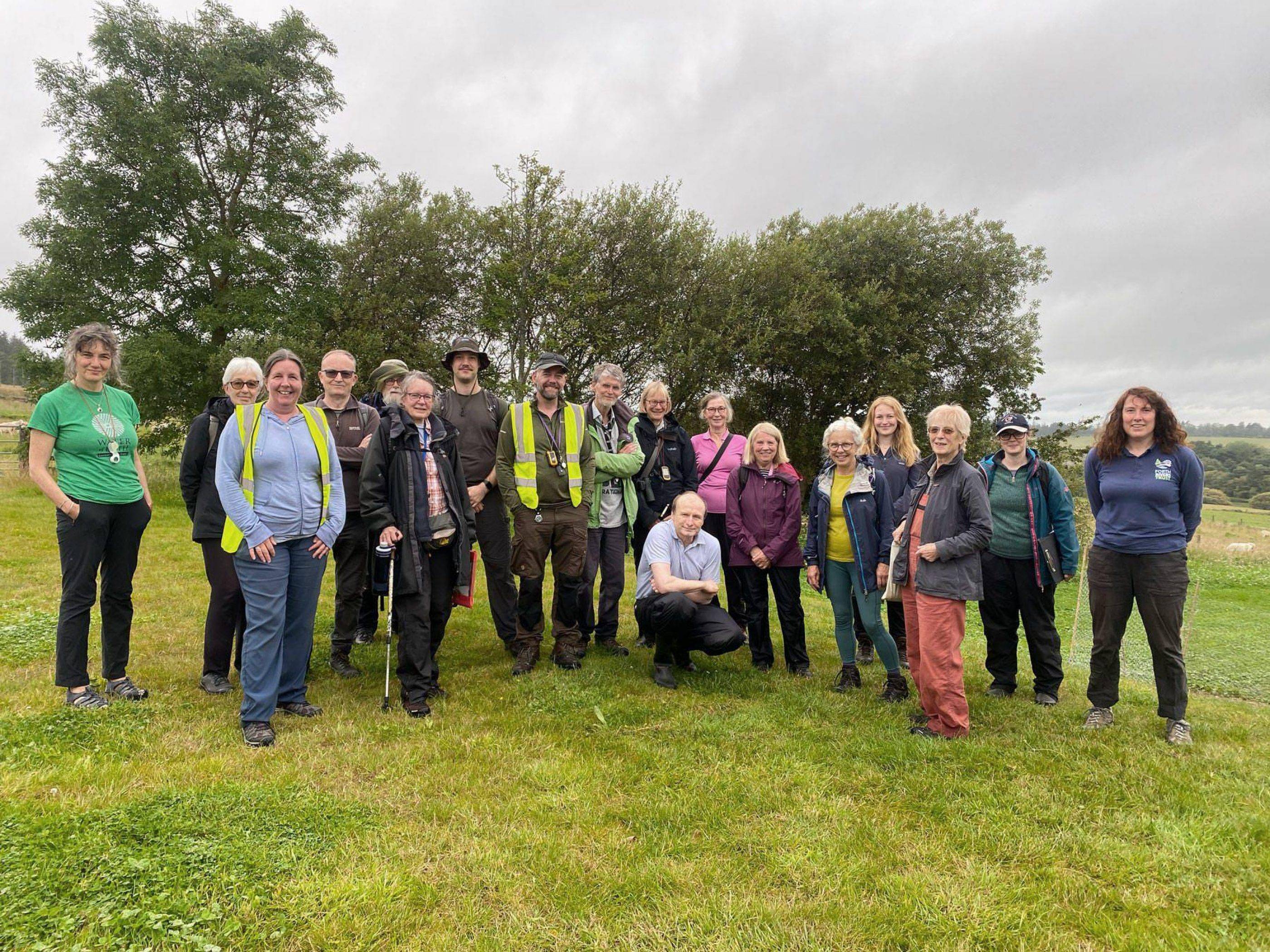
A Bioblitz is an intense period of biological surveying in an attempt to record all the living species in an area in one day.
We have teamed up with the Water of Leith Conservation Trust to host a Bioblitz on two farms in the cluster. With experts from Edinburgh Natural History Society and local recorders this partnership provides enhanced data for the project and outreach opportunities to local communities. This gives a baseline record for an area and allows us to see what areas are already diverse and which could use some improvement. This will be rolled out across the whole cluster area in the future.
If you are interested in getting involved in a Bioblitz please contact us.


Improving Public Access
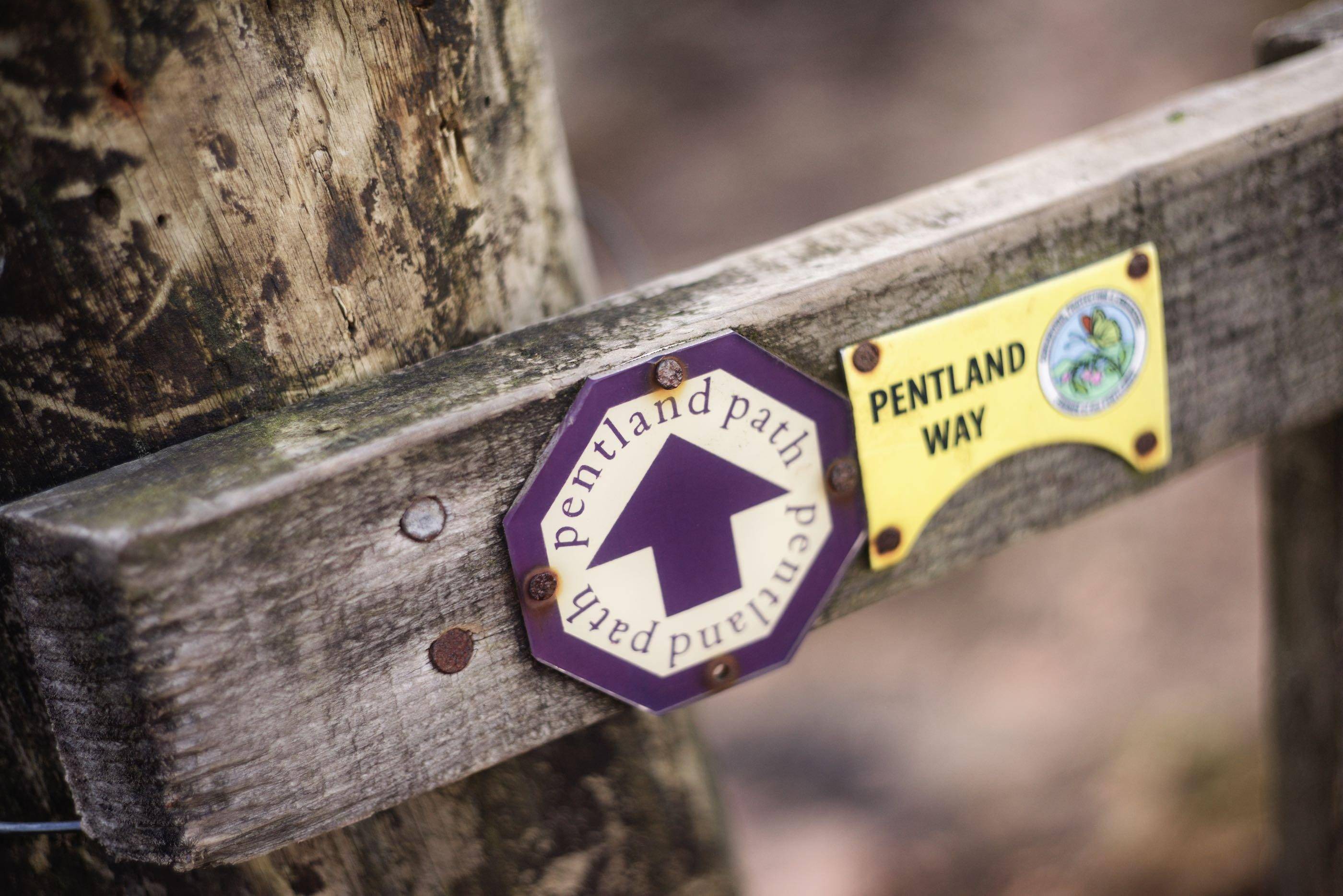
Paths are a gateway into nature, encouraging a healthy lifestyle and a deeper connection with nature.
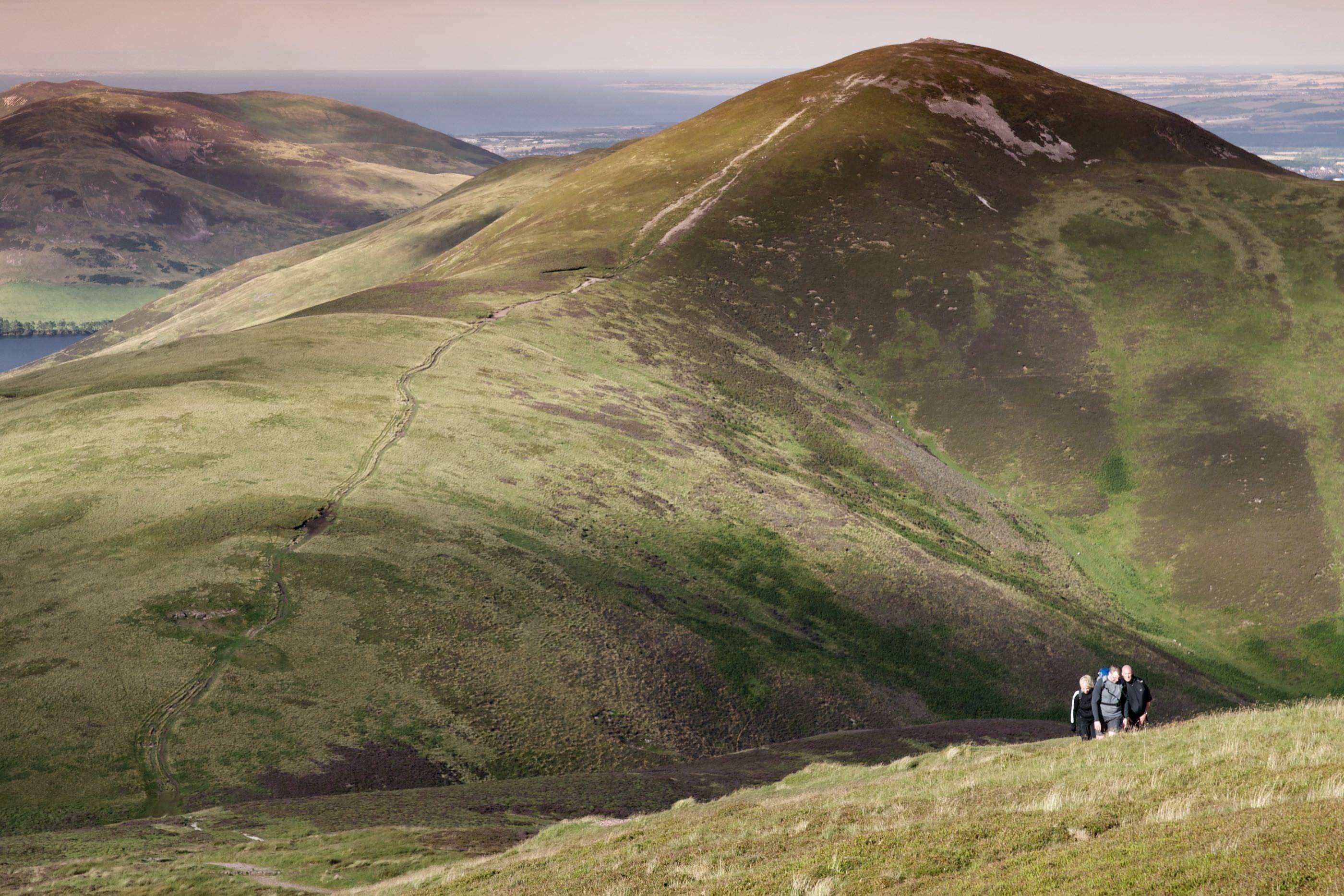
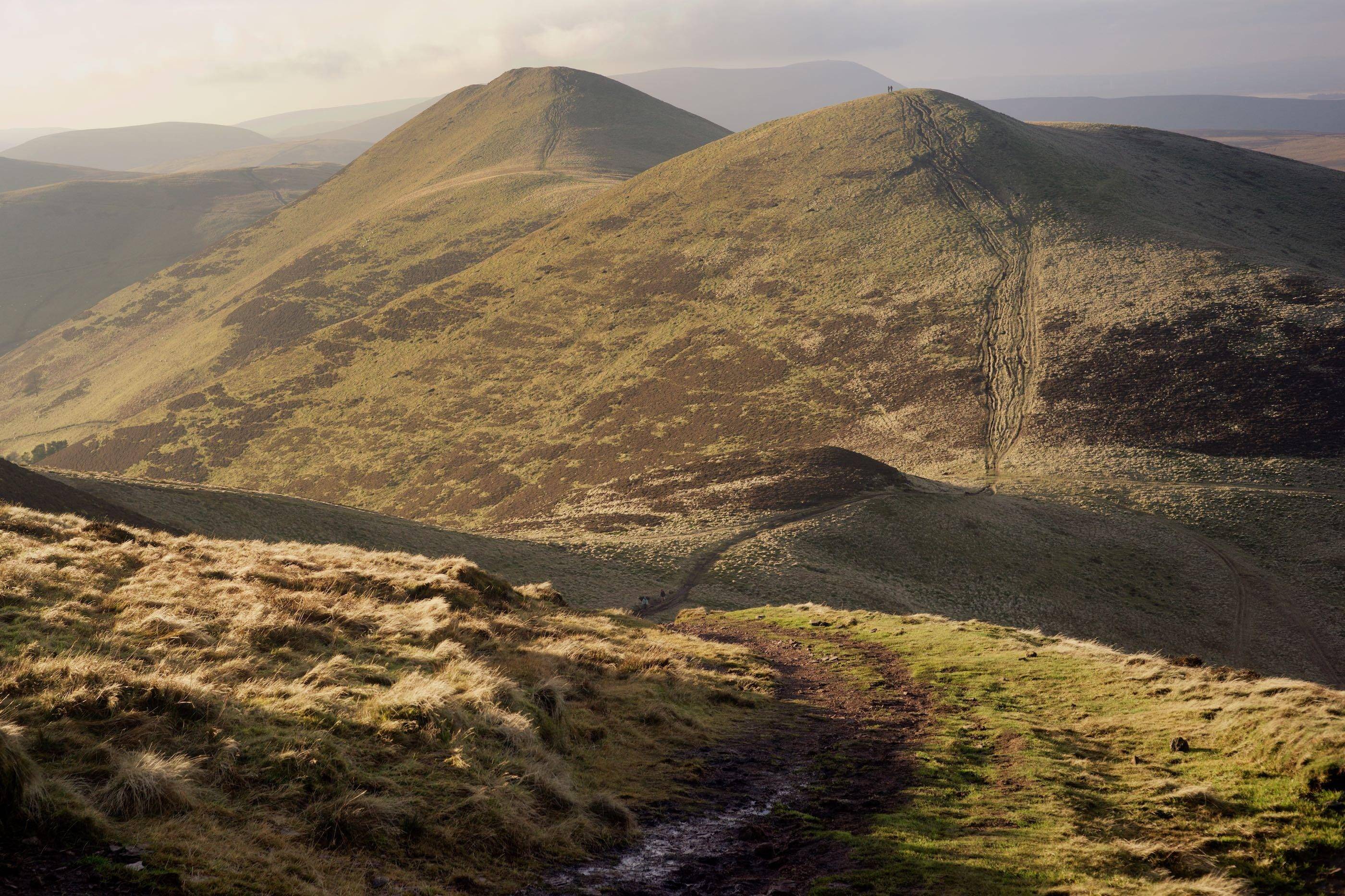
Well-designed paths minimise the impact of visitors on the environment and wildlife, promoting sustainable recreation. The continual impact of boots and extremes of weather can lead to erosion. For example, the iconic "Peak Path" has become heavily eroded through use. Interventions along its full length are required to minimise the visual impact of erosion, improve accessibility, and reduce ecological damage to the delicate habitats it passes through.
Project L-and is exploring new streams of funding to preserve this path for the future.


Volunteering
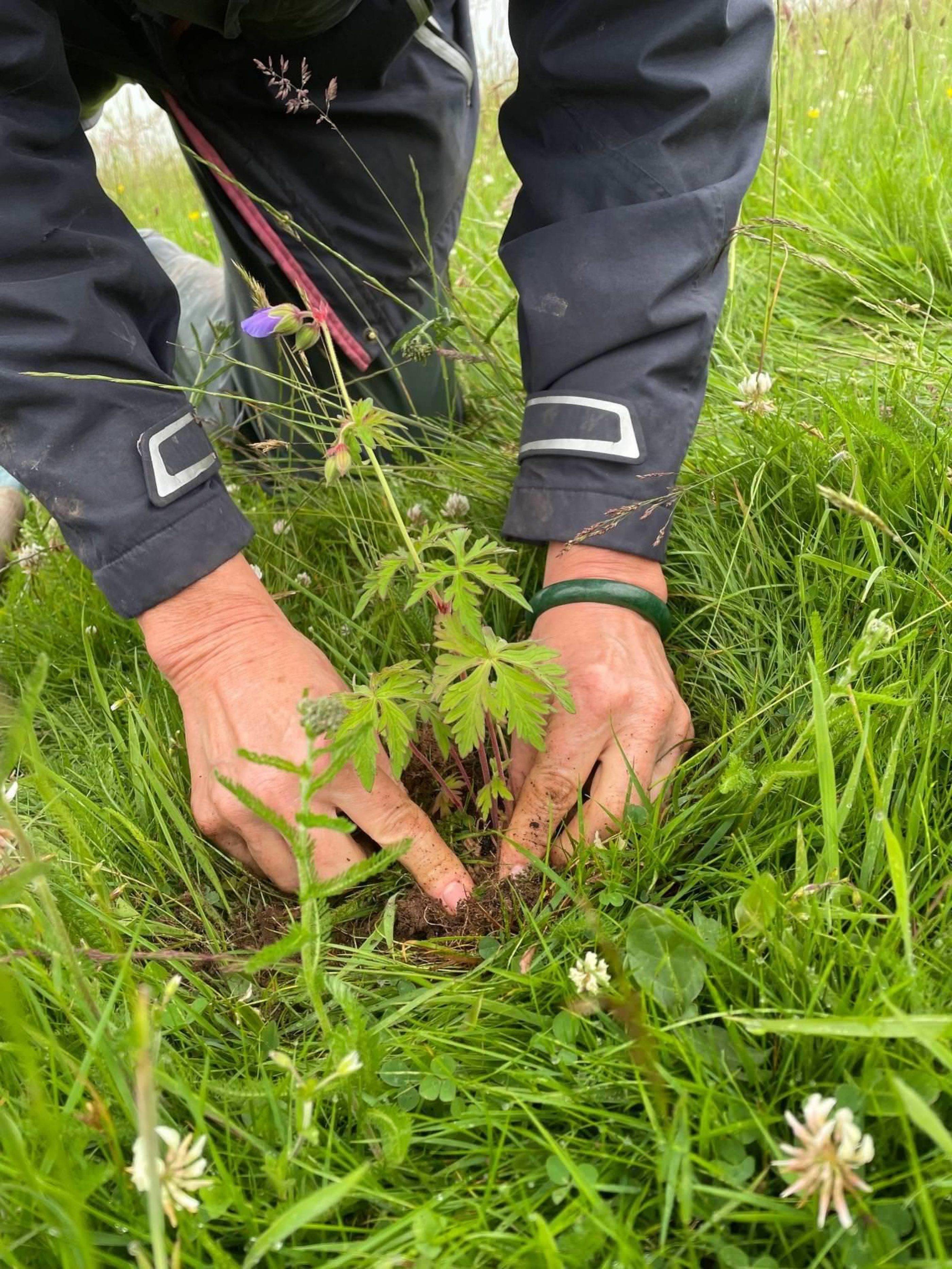
There are opportunities for volunteer involvement through habitat restoration activities, including tree planting, hedge-planting, and invasive species removal.
These are offered organised community groups and local companies looking for sustainable team-building events and away days.
If you’d like to know more, please contact us.
A Living Lab
Project L-and is working with University of Edinburgh enabling researchers to participate in real-world projects close to home, whilst farmers and land-managers can benefit from research and data collection.
Projects to date include mapping potential nature projects; invertebrate surveys in Green Cleugh, winter bird surveys; developing a monitoring methodology; AI processing of satellite data to map land-use change over time.
If you’re interested in research opportunities, please contact us.
Rural Communities
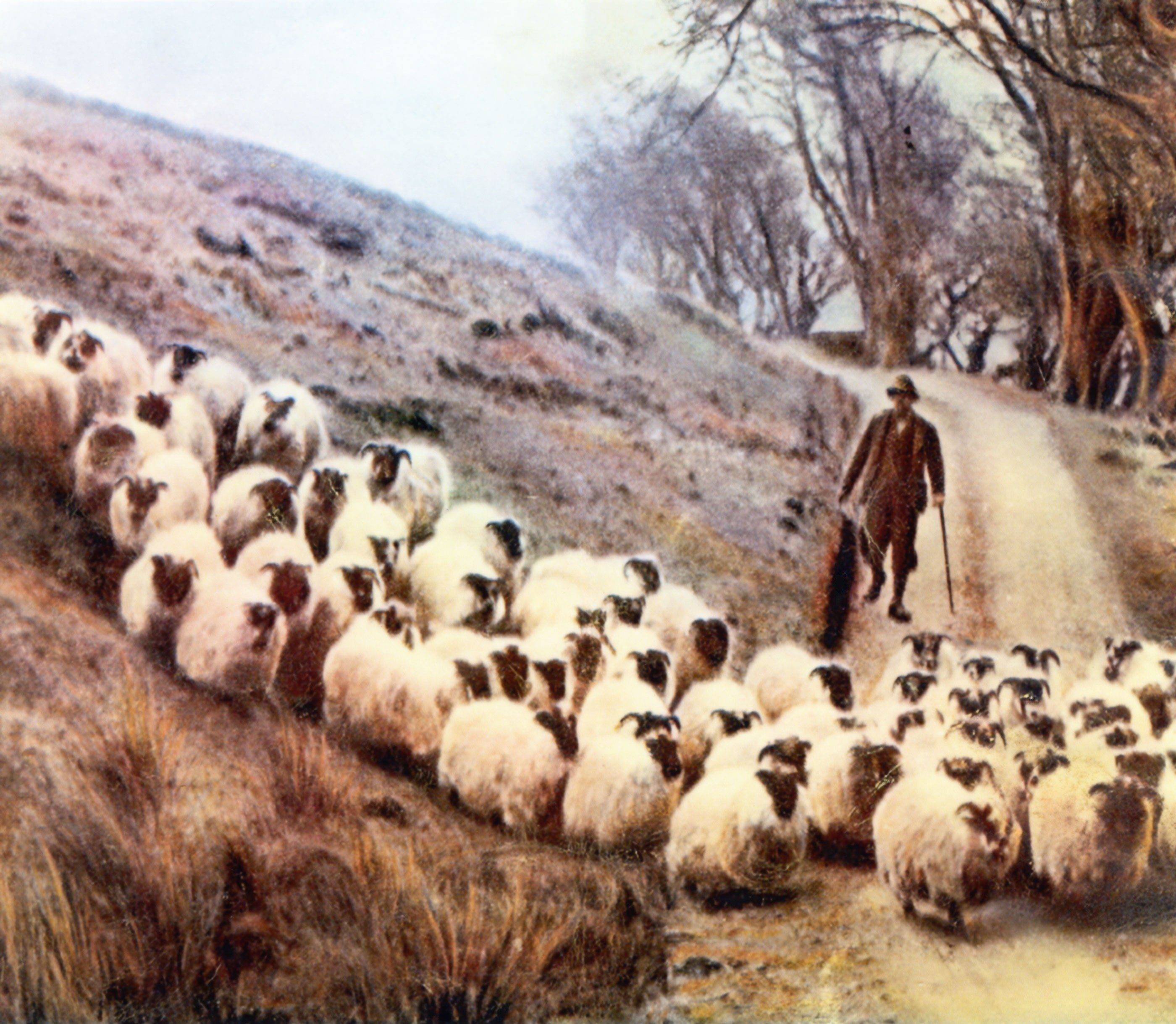
Farming and food production is undergoing immense change and uncertainty as society strives to halt climate change and reverse biodiversity loss.
Farming subsidies are declining, placing these traditional farming communities at risk.
Securing rural jobs
Project L-and will create new diversified income streams through natural capital markets and create new jobs and local supply chains to deliver these nature restoration projects. This will secure rural jobs and maintain rural communities.
Working together
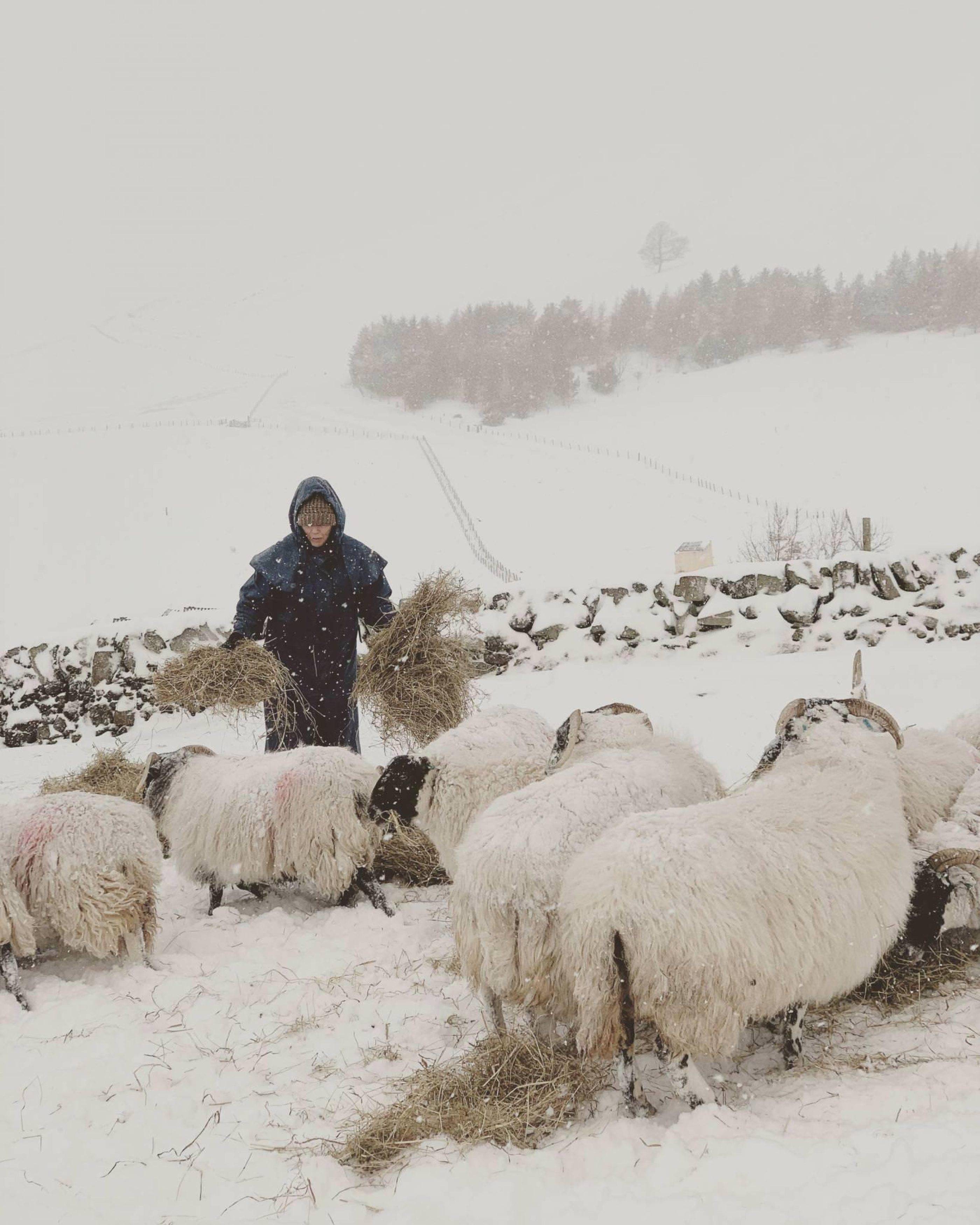
Some nature restoration projects displace local farmers and communities, disrupting livelihoods and eroding cultural ties to the land. Farmers play a crucial role in maintaining ecosystems through sustainable agriculture, livestock grazing, and fire prevention. Nature restoration requires people on the land to manage and maintain projects. Working with, rather than displacing, these rural communities ensures long-term stewardship and safeguards the livelihoods of those most connected to the land.
If you would like to know more about our cluster model, please contact us.