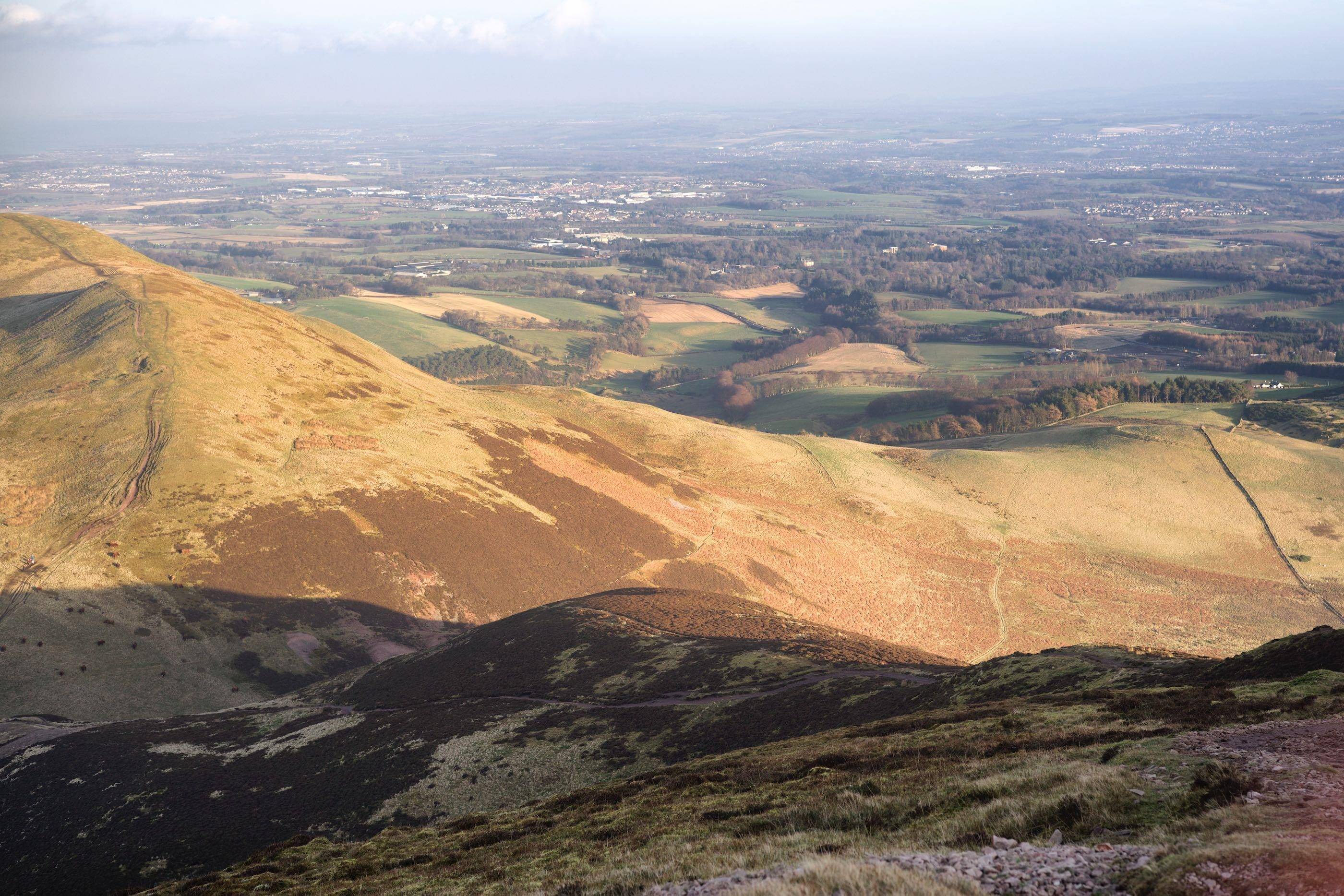
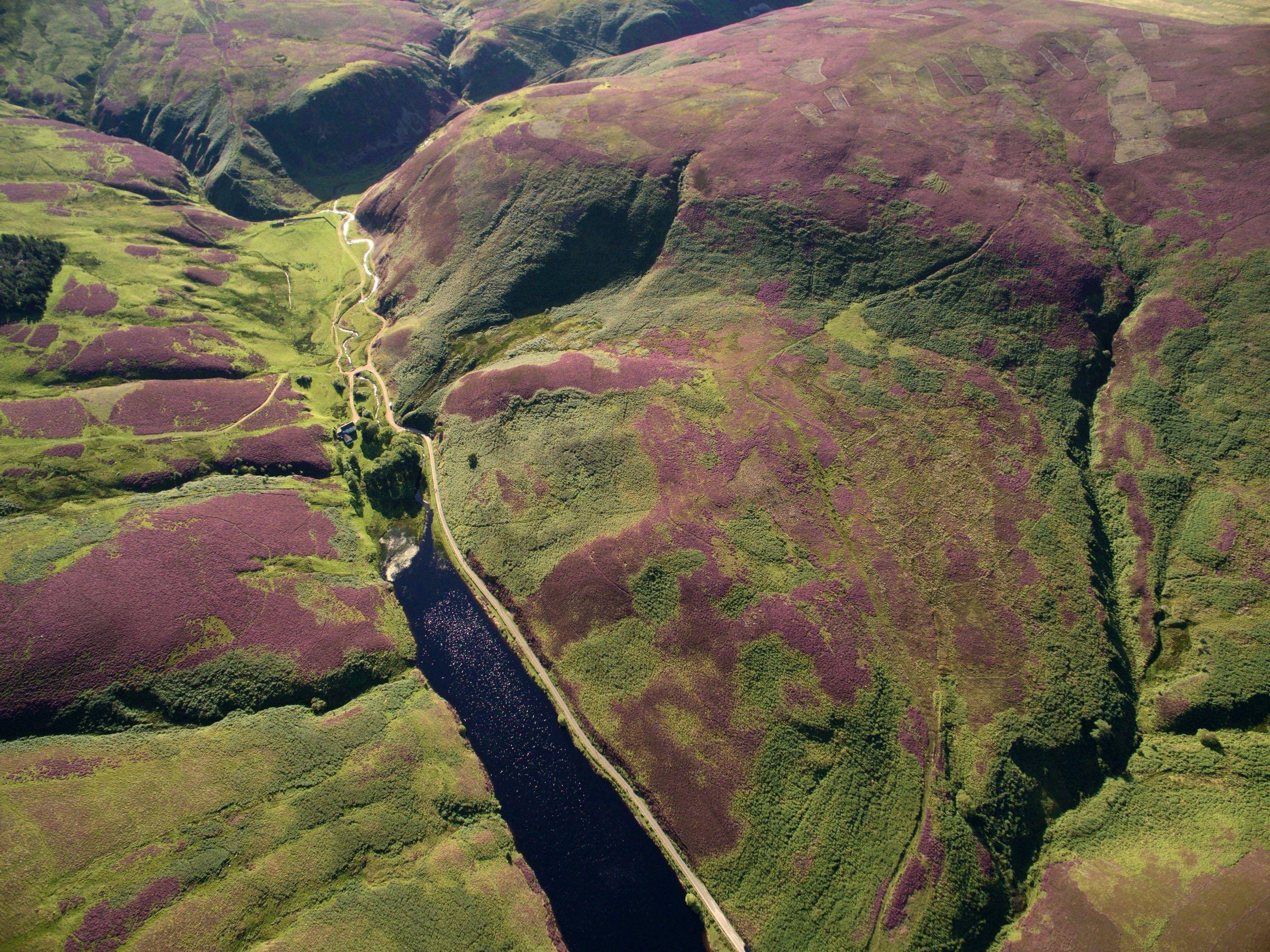
The Pentland Hills are a vital resource to many.
A vital resource
- For nearby residents, spending time in nature and engaging in recreational opportunities, is essential for their mental and physical health.
- The Pentland Hills are also a working landscape for the rural community who farm here. Many of these families have lived and worked in these hills for generations and rely on their farms to make a living.
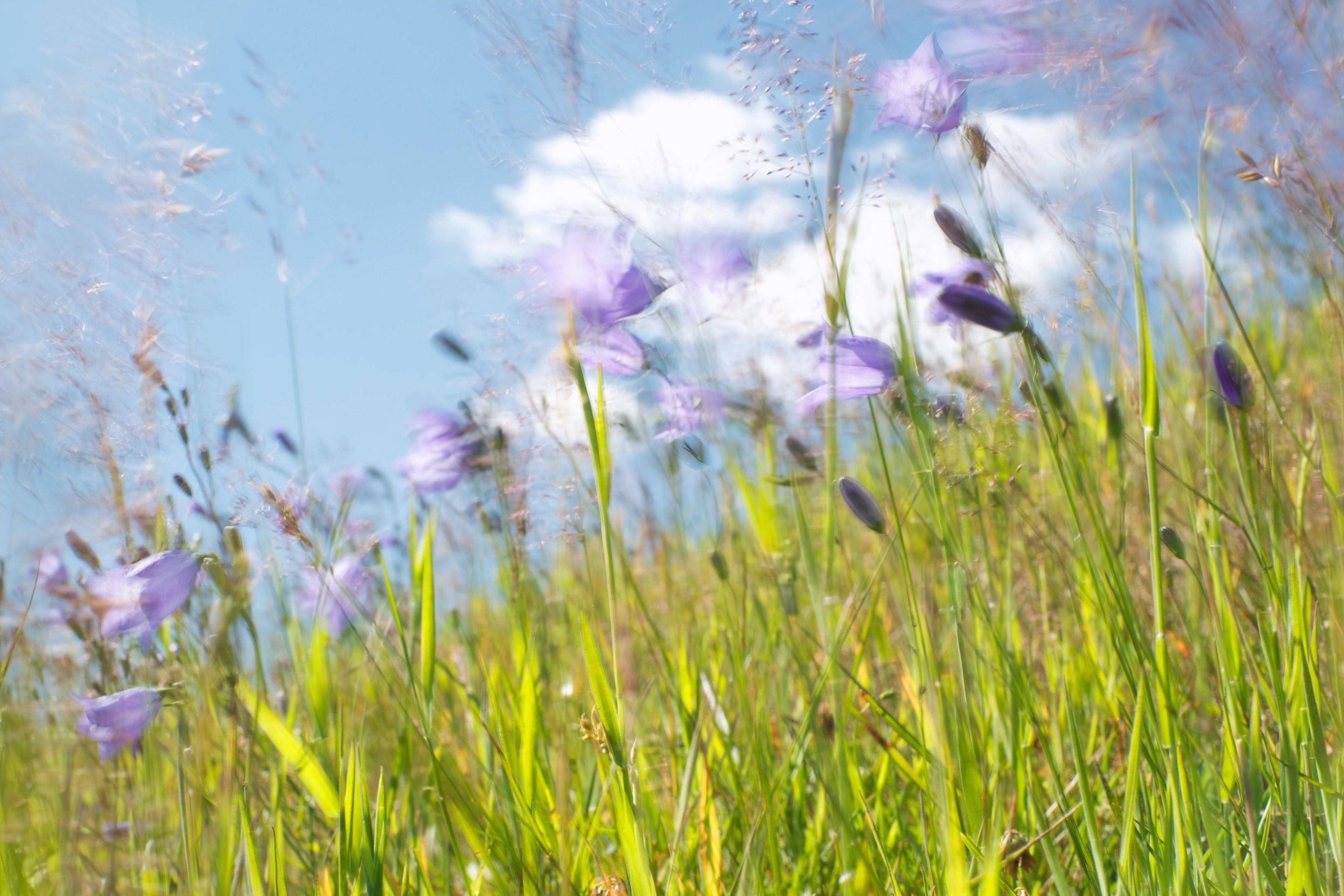
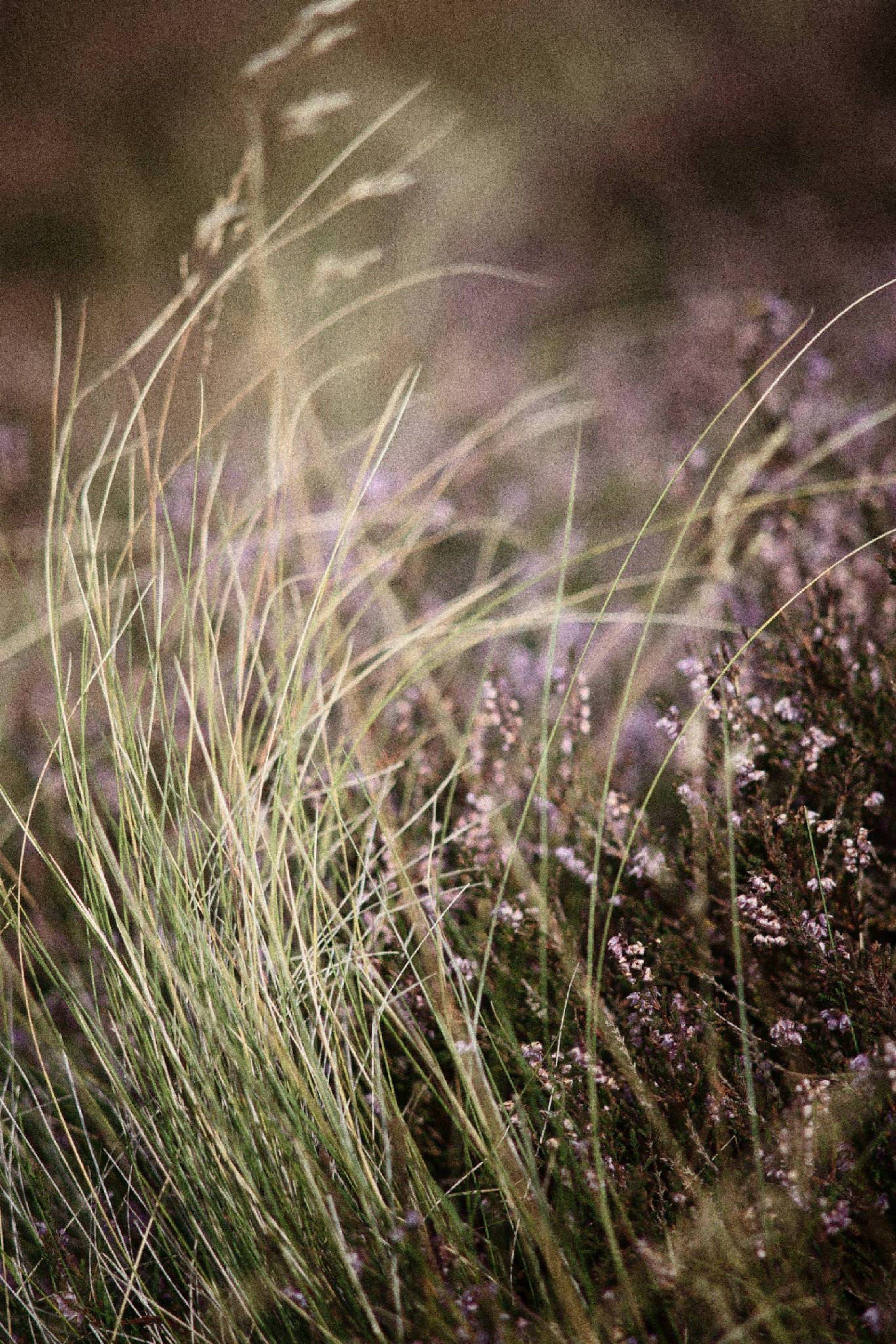
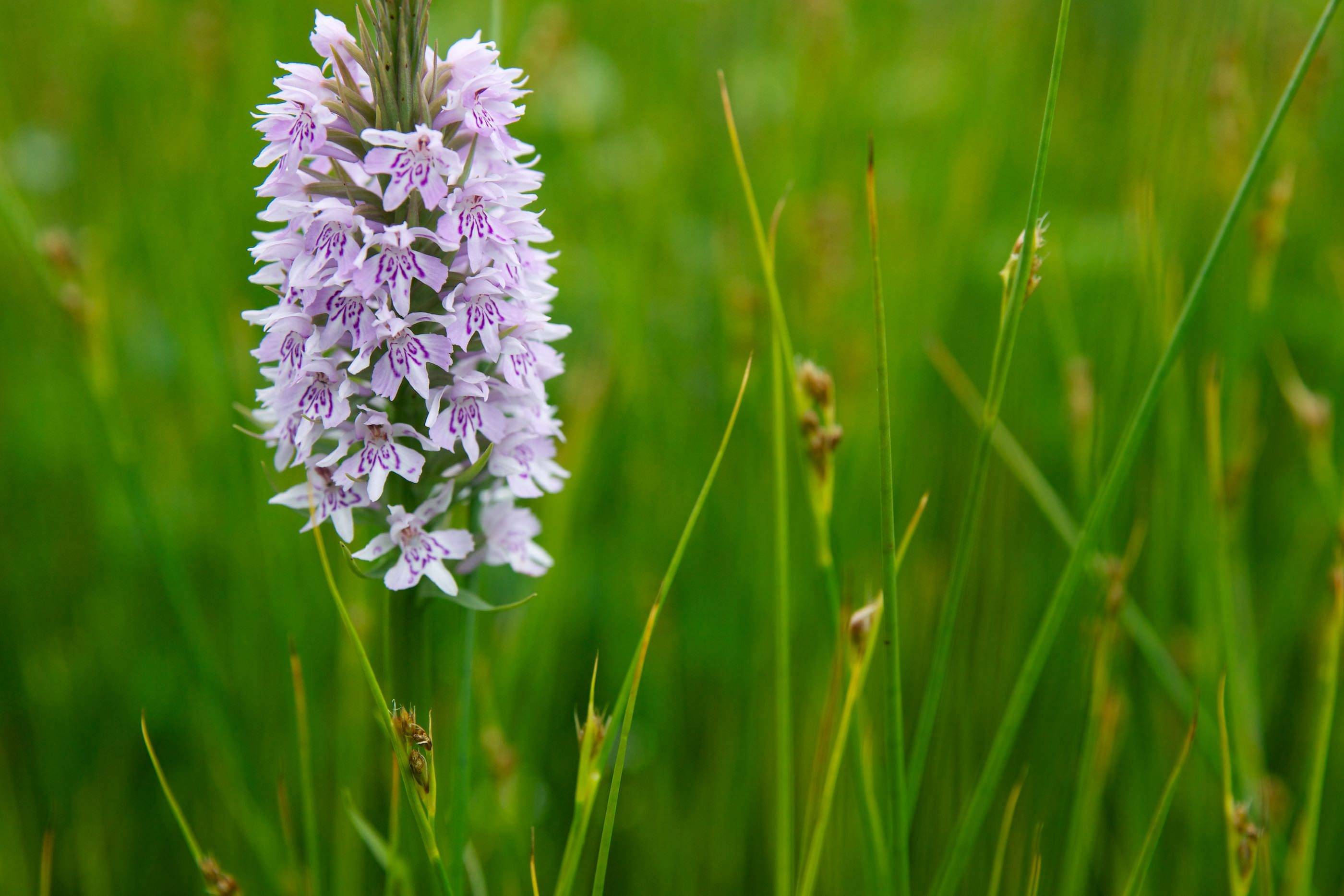
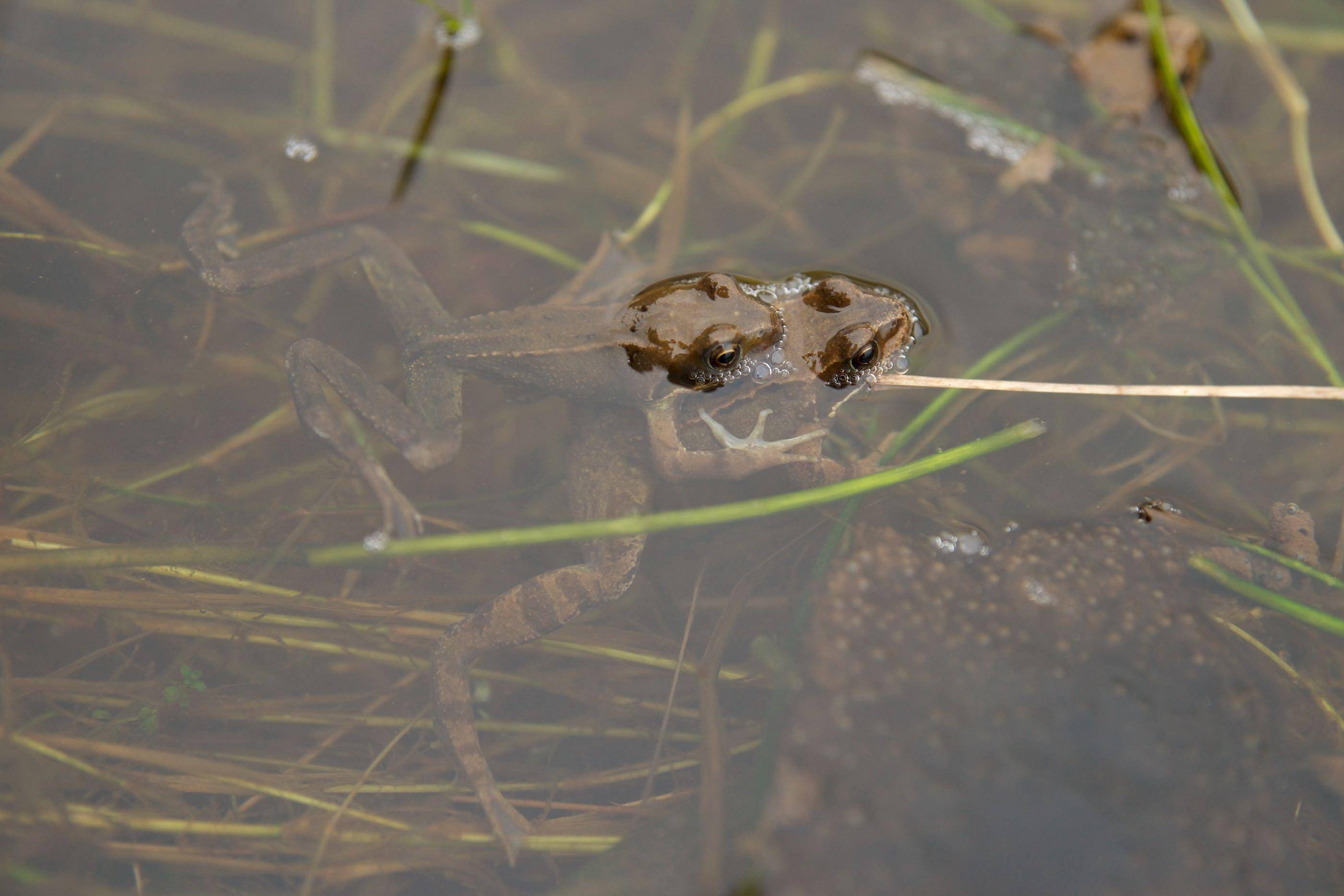
- The Hills are also home to over 800 different species of flora and fauna across a range of unique habitats. The Pentland Hills have the potential to be a significant sanctuary for wildlife.
We seek to balance access and agricultural production with nature-positive outcomes to ensure environmental integrity whilst also continuing to provide food and timber for the nation.


Location
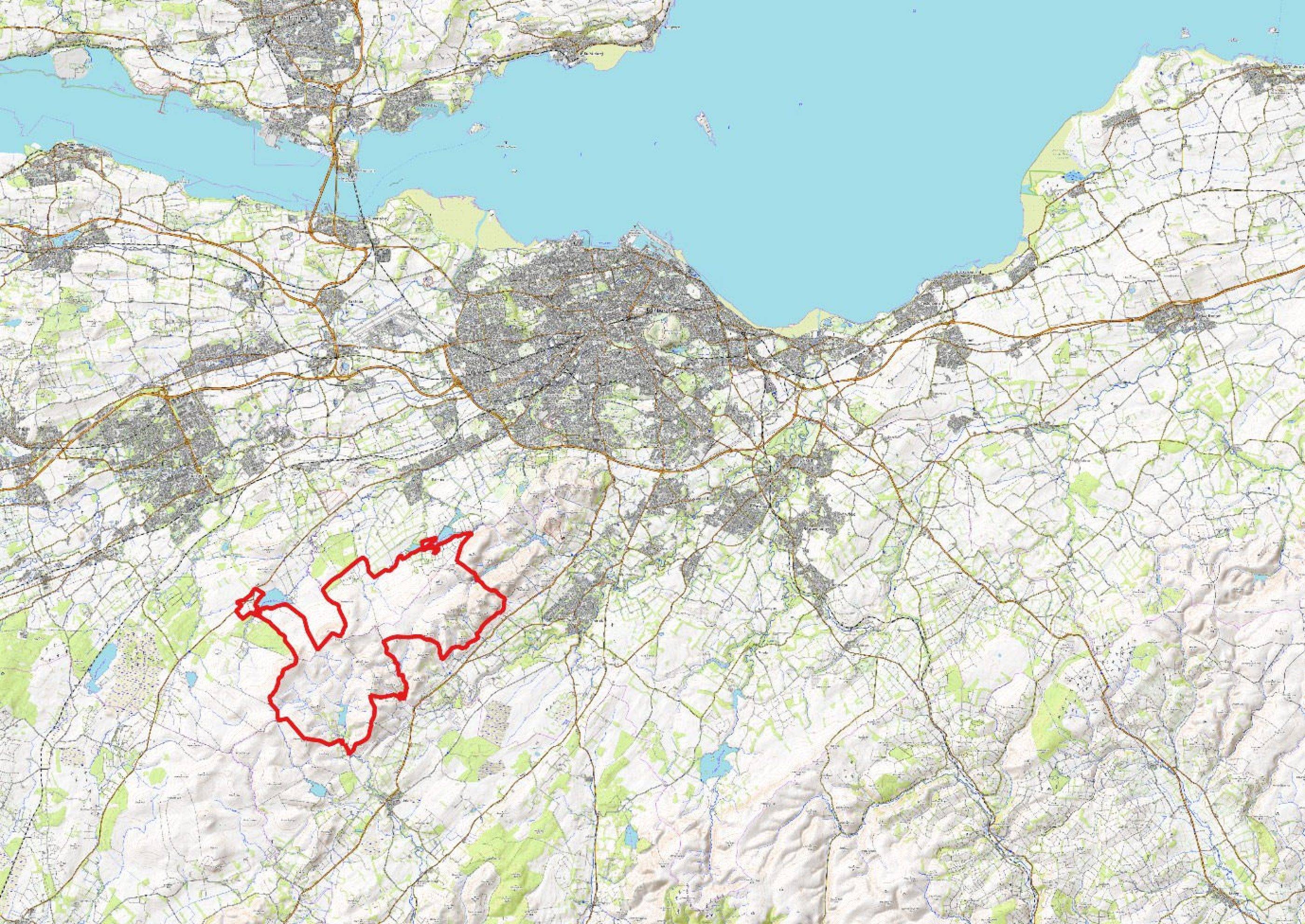
Our cluster covers an area of 5000 hectares in the Pentland Hills, around 11 miles south west of Edinburgh city centre.
The area is at the south west end of the Regional Park with 80% of the area within the Park boundary. It sits within four local authority areas, City of Edinburgh, Midlothian, West Lothian and the Scottish Borders. The cluster area feeds into three catchments: the Water of Leith, the Esk and the Tweed.
Nature restoration plan
A nature restoration plan has been developed by ecologists in partnership with land managers which identifies 99 nature restoration projects. Projects focus on four key themes:
- Cores: Restore core habitats such as peatland, species-rich grasslands and diverse woodlands.
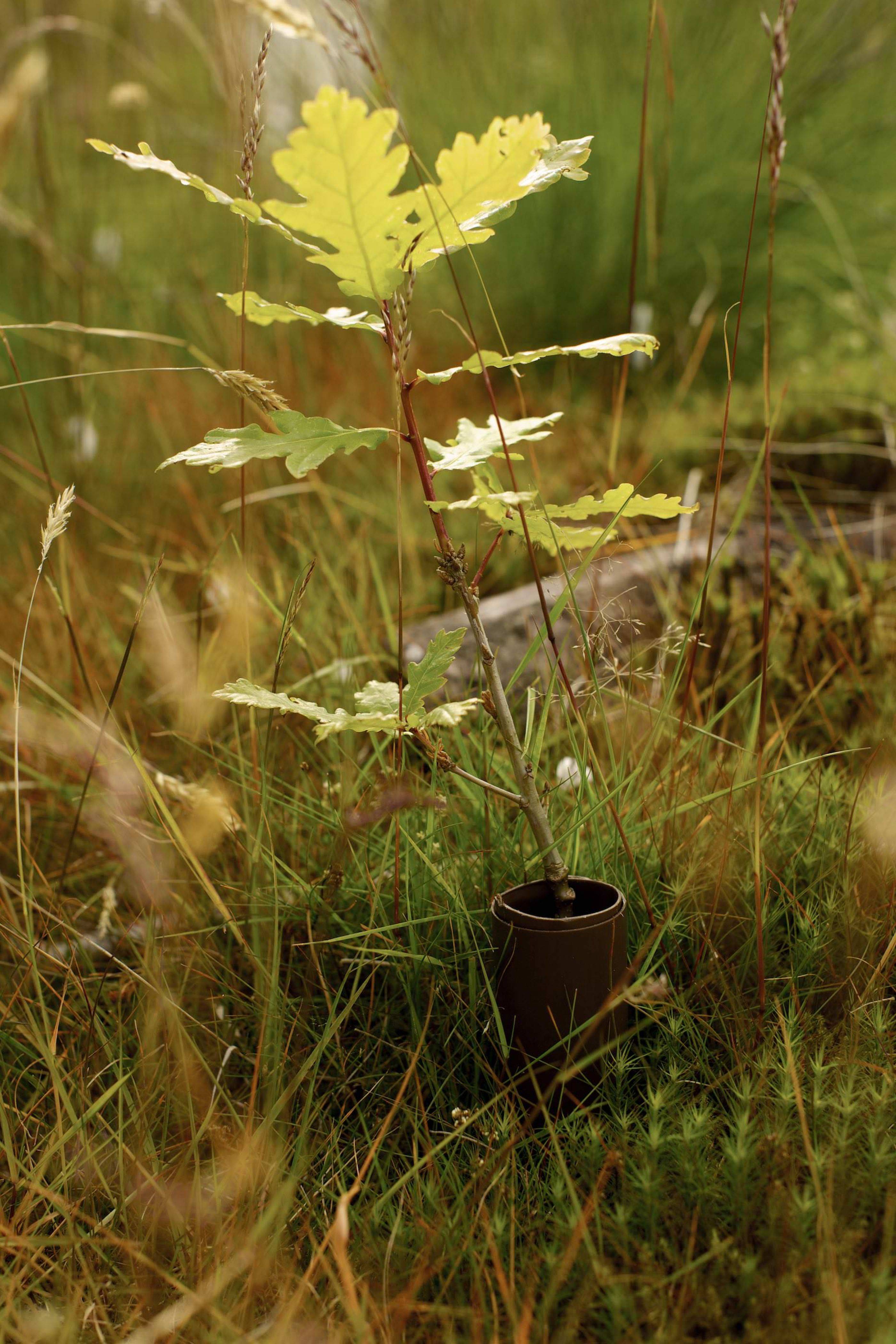
- Connections: Grow 100km of wildlife corridors; pathways of vegetative cover to enable seamless movement of species.
- Complexity: Reintroduce transitional ecotones to bring back nature’s natural messiness and increase ecosystem resilience.
- Community: Engage with researchers, conservation groups, and volunteers for collective action.

Strategic Context
Project L-and contributes directly to national and local priorities for nature recovery, climate resilience, and sustainable land management.
The plan supports the UN Sustainable Development Goals (SDG 13 – Climate Action and SDG 15 – Life on Land) through practical, landscape-scale interventions that restore habitats, store carbon, and protect biodiversity.
Peatland restoration, riparian woodland creation, hedgerow planting, species-rich grassland enhancement, and the creation of ponds and scrapes — deliver on Local Biodiversity Action Plan (LBAP) priorities across the three local authorities. Working through a cluster approach ensures that restoration happens at scale, improving ecological connectivity and resilience to climate change.
The programme’s nature-based solutions, such as natural flood management, peatland recovery (via the Peatland Code) and targeted woodland expansion, directly contribute to council and national climate adaptation and mitigation goals and are also priorities in the Edinburgh Nature Network Opportunity Map.
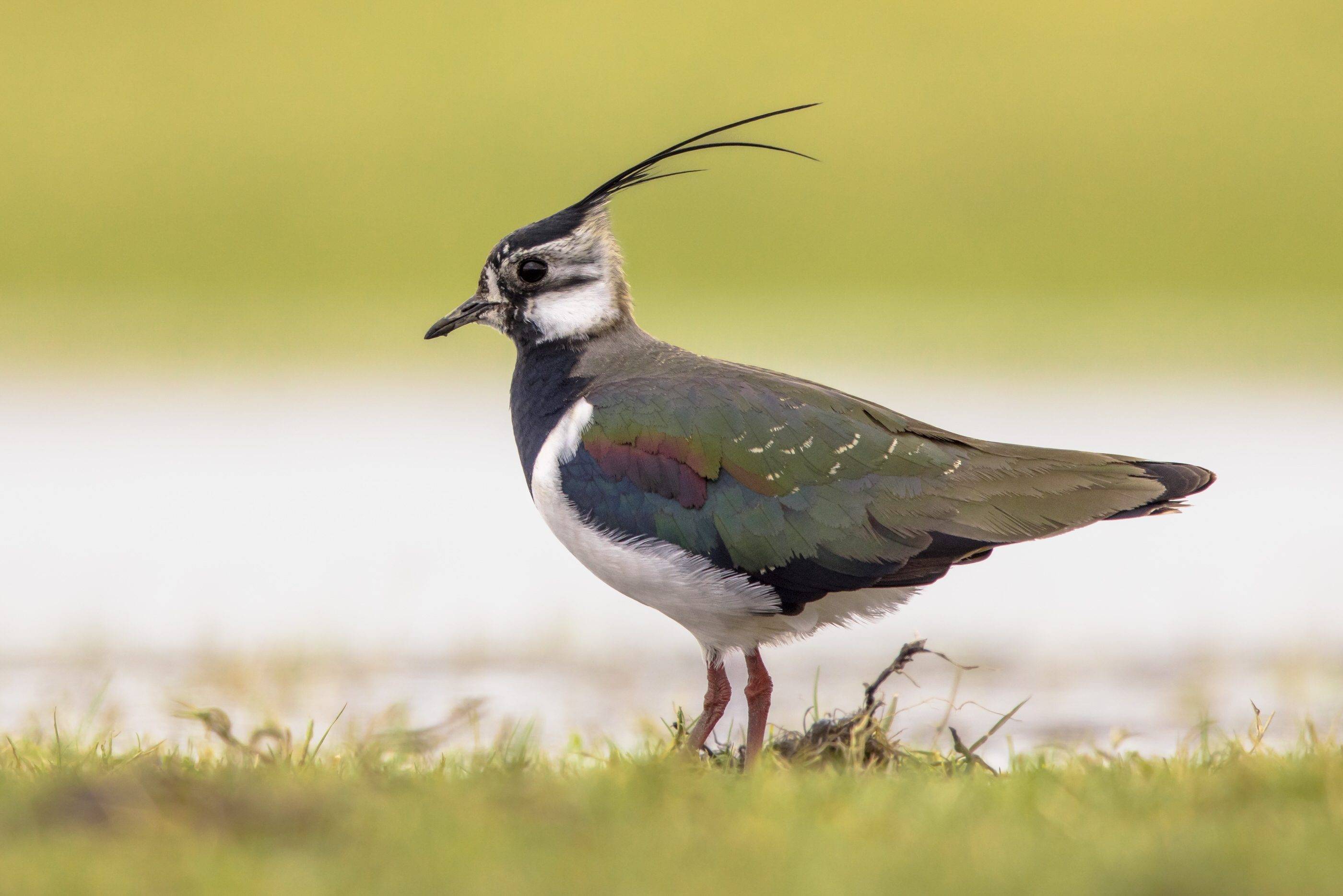
Project L-and also aligns closely with the Pentland Hills Regional Park (PHRP) strategic aims across upland, woodland, wetland, and connectivity themes. Our detailed interventions reinforce PHRP’s broad environmental objectives while adding measurable climate and carbon outcomes. Shared priorities include peatland and wetland restoration, water management, invasive species control, and community engagement, as well as a joint focus on upland wader species (curlew, lapwing, snipe) and birds of prey (merlin, buzzard, kestrel).
Indicative timeline
This is intended to show indicative timings as Project L-and evolves. Landscape-scale change takes many years (decades) and is hard to define in precise timescales. Nevertheless, our progress to-date and some anticipated milestones are shown.
Many of these processes are both ongoing and iterative.
-
2023 - 2024
Project start
- Throughout 2023 / 2024 an initial "overview" nature enhancement and restoration plan was developed in principle.
-
2024 - 2025
Project Scoping
- Potential woodland and peatland projects scoped for viability under current codes.
- Project L-and Community Enterprise Ltd. formed
-
2025 - 2026
Fundraising
- Raising public and private finance for peatland and woodland projects
- Ecological baseline assesment
-
2026 - 2027
Work anticipated to commence
- First peatland restoration projects start
- Ongoing work to secure finance for other biodiversity projects
-
2032 onwards
Monitoring & verification
- First verified credits available
Current Opportunities
We are currently seeking funding for the following projects:
- 112 hectares of riparian woodlands which would deliver 11.5km of wildlife corridors and plant 161,183 trees.
- 453 hectares of peatland restoration.
There are also opportunities for wetland creation, hedgerows, conservation grazing, and scrub creation when funding is available.
Market mechanisms to fund these types of projects are still at a nascent stage. We are working within the context on the Scottish Government’s Biodiversity Investment plan to explore funding options.
Help Fund a Project